Introducción
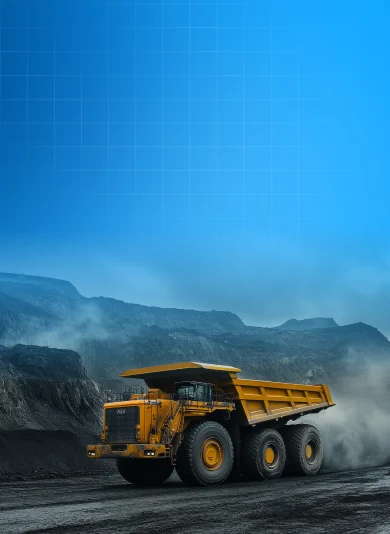
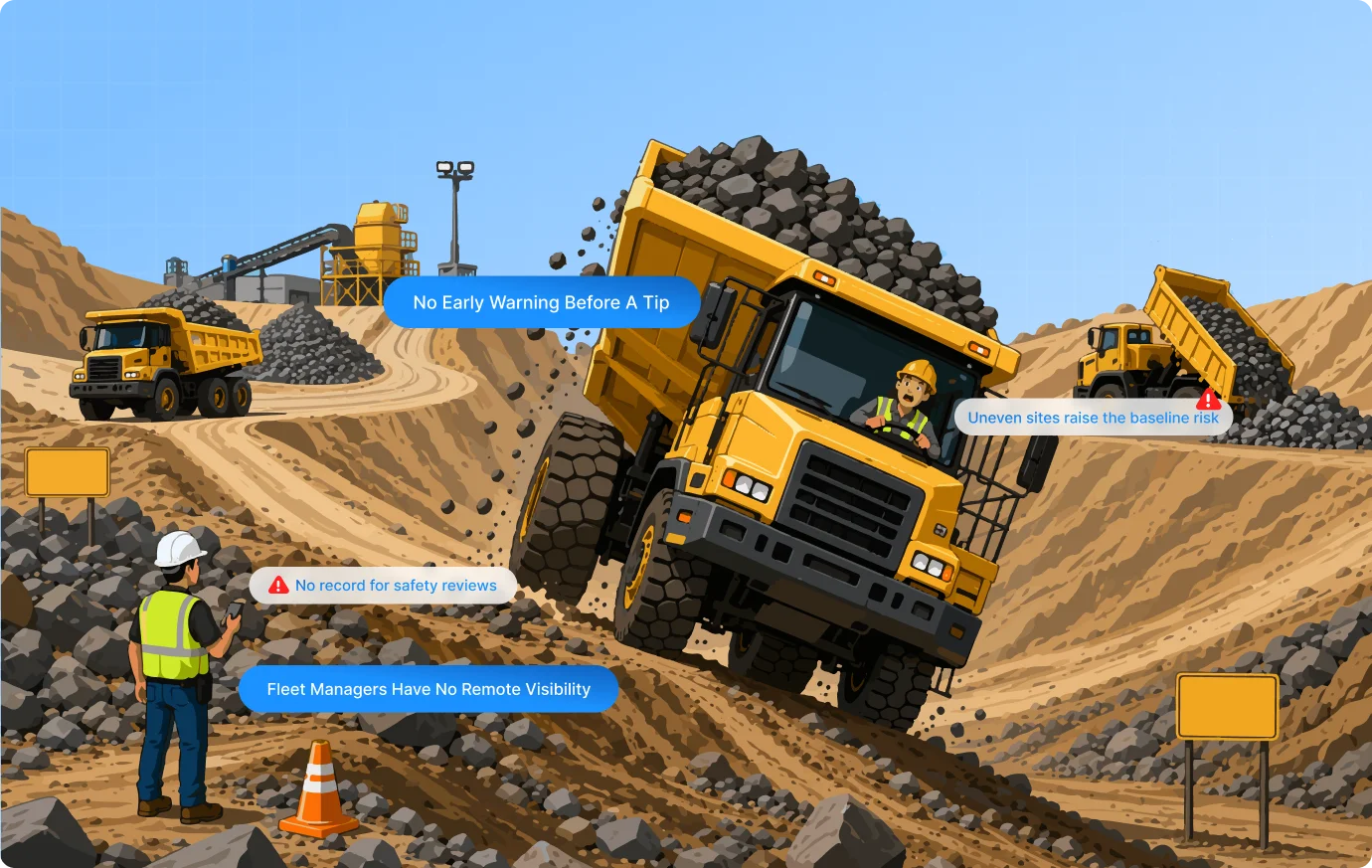
Los camiones volquete y de descarga operan en algunos de los terrenos más difíciles de cualquier flota: suelo irregular, grava suelta y rampas temporales que se mueven con cada pasada. Un vehículo que transporta una carga pesada e irregular sobre este tipo de superficie siempre corre el riesgo de volcar, y la mayoría de los conductores solo perciben el peligro cuando la pendiente ya es demasiado pronunciada para corregirla. Para las flotas de construcción, minería y transporte de residuos, esa breve pausa de advertencia es donde ocurren los accidentes.
Desafíos
- No hay aviso previo antes de dar un aviso.
Los conductores se basan en la intuición y el instinto para calcular un ángulo peligroso, lo cual no es fiable una vez que la carga ya se está desplazando.
- Los gestores de flotas no tienen visibilidad remota.
Sin una forma de controlar el ángulo de inclinación de forma remota, un gerente solo se entera de un incidente o un casi accidente después de que ocurre.
- La irregularidad del terreno aumenta el riesgo basal.
Las rampas provisionales, el terreno suelto y el desplazamiento de las pilas de materiales implican que el riesgo de vuelco varía de un lugar a otro, e incluso de un día para otro en el mismo lugar.
- Las comprobaciones de seguridad manuales no son escalables.
Un supervisor puede vigilar de cerca uno o dos vehículos, pero no una flota completa que opere simultáneamente en varias zonas.
- No hay registros de revisiones de seguridad.
Sin datos de inclinación, una flota no tiene forma de demostrar, a posteriori, si un vehículo estaba operando dentro de un rango de ángulo seguro antes de un incidente.
Solución
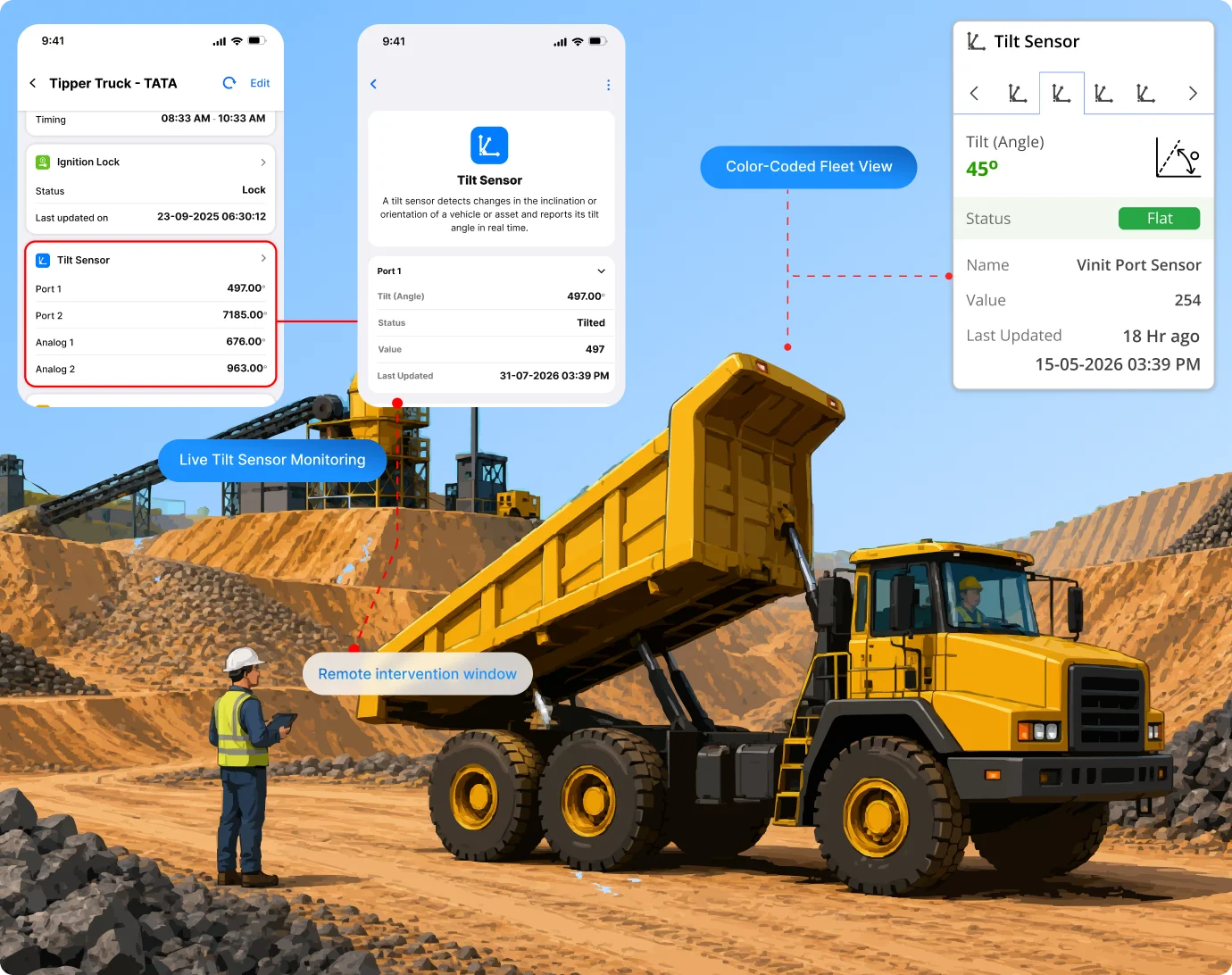
- Monitorización en tiempo real mediante sensor de inclinación.
Un sensor de inclinación instalado en el vehículo mide continuamente su ángulo y lo comunica a Uffizio Trakzee en tiempo real.
- Clasificación de riesgo en cuatro etapas.
Cada lectura se clasifica como plana, inclinada, ligeramente inclinada o crítica, por lo que la gravedad del riesgo queda clara sin necesidad de leer los valores brutos en grados.
- Vista de la flota codificada por colores.
El estado de inclinación de cada vehículo se muestra mediante un código de colores en el panel de control de Trakzee, de modo que un gerente puede examinar toda la flota de un vistazo.
- Informes de inclinación específicos.
Trakzee registra los eventos de inclinación a lo largo del tiempo, lo que proporciona a los administradores de flotas un historial revisable por vehículo, sitio o trabajo.
- Ventana de intervención remota.
Un gerente que vea que un vehículo se inclina o se encuentra en una situación de riesgo puede avisar por radio al conductor para que se detenga y reevalúe la situación antes de que llegue a un punto crítico.
- Implementación en toda la flota sin nuevos sistemas.
La monitorización de la inclinación funciona dentro del panel de control de Trakzee ya existente, junto con los datos de ubicación, conductor y trabajo que ya se utilizan.
Resultados obtenidos
- Reducción del 30-40% en incidentes relacionados con vuelcos. en vehículos monitoreados
- Arriba a Tiempo de respuesta del gerente un 70 % más rápido a un riesgo de inclinación creciente, desde alerta hasta contacto con el conductor
- Entre 3 y 5 informes menos de incidentes que estuvieron a punto de ocurrir registrado por mes después de la implementación, para una flota de tamaño mediano de 20 a 30 volquetes y camiones basculantes.
Historial completo de inclinación disponible para cada vehículo, lo que facilita las auditorías de seguridad y la elaboración de informes para los clientes. Visibilidad constante del riesgo en todas las ubicaciones, independientemente de las condiciones del terreno o la cobertura del supervisor. Documentación de seguridad más sólida para las revisiones de clientes y aseguradoras, sin necesidad de informes manuales adicionales.