مقدمة
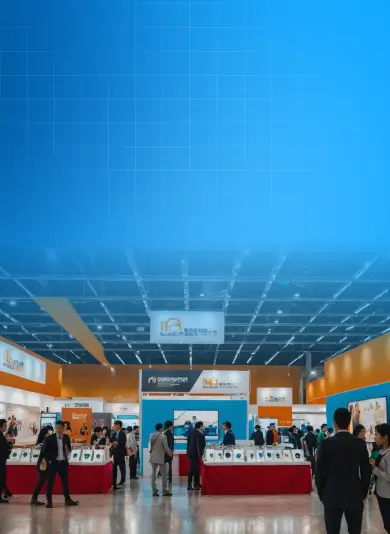
تستضيف مراكز المعارض معارض ضخمة، وفعاليات تجارية، ومؤتمرات، وأنشطة أعمال، حيث يتنقل آلاف الزوار بين القاعات، والأجنحة، وغرف الاجتماعات، وغيرها من مناطق الفعاليات. ومع وجود مئات العارضين وتصاميم داخلية معقدة، قد يصبح العثور على جناح محدد أمرًا صعبًا، خاصةً للزوار الجدد.
قد لا توفر الخرائط الثابتة واللوحات الإرشادية توجيهات واضحة دائمًا، بينما يضطر منظمو الفعاليات غالبًا إلى الإجابة عن نفس أسئلة التوجيه طوال اليوم. وهذا قد يؤدي إلى إهدار وقت الزوار، وتفويت الاجتماعات، وتجربة فعالية أقل راحة.
التحديات
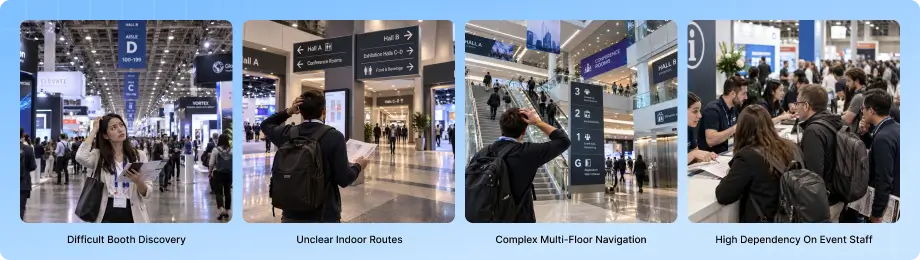
- صعوبة في اكتشاف الأكشاك: غالباً ما يواجه الزوار صعوبة في العثور على أكشاك العارضين المحددة في القاعات الكبيرة التي تضم مئات الأكشاك، مما يؤدي إلى تأخيرات وضياع اجتماعات.
- مسارات داخلية غير واضحة: تُظهر مخططات الطوابق الثابتة مواقع الأكشاك ولكنها لا تشرح دائمًا أفضل مسار، مما يجعل الزوار غير متأكدين من الممر أو المنعطف أو المصعد أو المدخل الذي يجب استخدامه.
- نظام تنقل معقد متعدد الطوابق: عندما تنتشر الأكشاك أو غرف المؤتمرات أو مناطق الفعاليات عبر طوابق مختلفة، قد يجد الزوار صعوبة في تحديد الدرج أو المصعد الصحيح ومواصلة مسارهم.
- لا توجد معلومات واضحة عن مسارات المشي: قد لا يعرف الزوار مدى بُعد الكشك أو المدة التي سيستغرقها الوصول إليه، مما يجعل من الصعب التخطيط لزيارات أو اجتماعات متعددة للأكشاك.
- الاعتماد الكبير على موظفي تنظيم الفعاليات: يقضي موظفو مكاتب المعلومات وموظفو الفعاليات وقتاً طويلاً في الإجابة على الأسئلة المتكررة حول مواقع الأكشاك والاتجاهات خلال الفعاليات المزدحمة.
- إرشادات صعبة للعارضين بشأن تصميم أكشاك العرض: غالباً ما يشارك العارضون أرقام الأكشاك أو الخرائط الثابتة مع الزوار، ولكن قد لا تكون هذه كافية لمساعدة الزوار على التنقل من مدخل المكان إلى الكشك المحدد.
حل
يوفر برنامج التتبع الداخلي نظام ملاحة رقمي يساعد الزوار في العثور على مواقع محددة داخل مركز المعارض والوصول إليها.
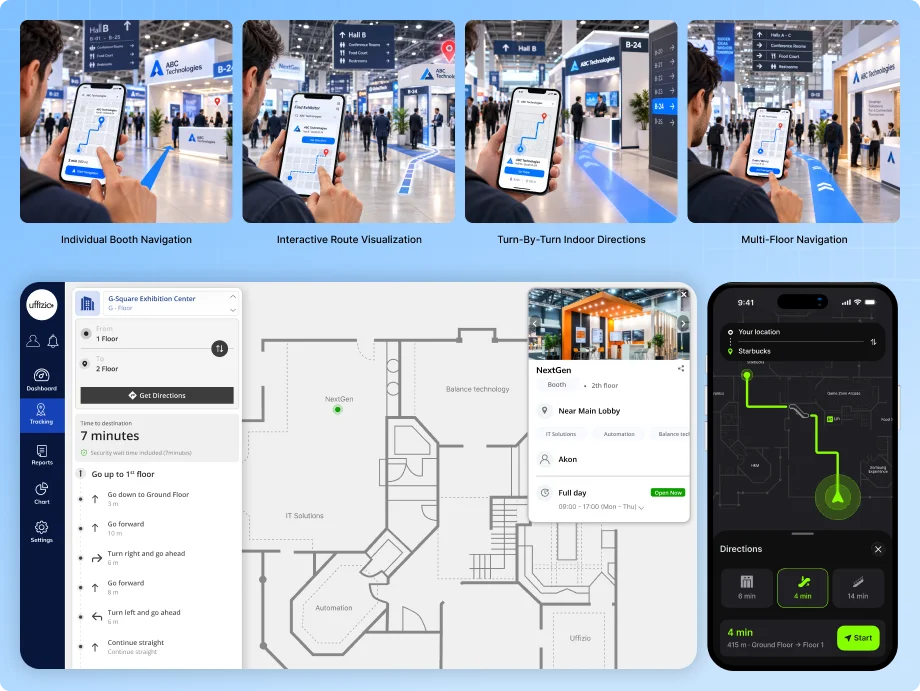
- التنقل داخل كل كشك على حدة: يمكن إضافة كل جناح عرض كوجهة محددة على الخريطة الداخلية. يستطيع الزوار البحث عن شركة أو جناح والحصول على توجيهات مباشرة إليه.
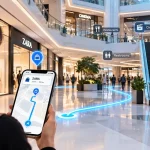
- عرض المسار التفاعلي: يعرض البرنامج المسار من نقطة انطلاق الزائر إلى الوجهة المختارة، مما يسهل فهم المسار عبر قاعات العرض الكبيرة.
- تعليمات داخلية خطوة بخطوة: يتلقى الزوار توجيهات واضحة أثناء تنقلهم في المكان، مما يساعدهم على اتباع الممرات والمنعطفات الصحيحة دون الحاجة إلى التحقق مرارًا وتكرارًا من خريطة ثابتة.
- نظام التنقل متعدد الطوابق: يقوم النظام بتوجيه الزوار بين الطوابق المختلفة ويساعدهم في تحديد السلالم أو المصاعد المناسبة عندما تكون وجهتهم في مستوى آخر.
- المسافة والوقت المقدر للمشي: يمكن للزوار رؤية المسافة التقريبية والوقت اللازم للوصول سيراً على الأقدام إلى الكشك الذي اختاروه، مما يساعدهم على التخطيط للاجتماعات والزيارات بشكل أكثر فعالية.
- الوصول عبر رمز الاستجابة السريعة: يمكن وضع رموز الاستجابة السريعة (QR) عند المداخل، ومكاتب الاستعلامات، ومداخل القاعات، والمواقع الرئيسية. يستطيع الزوار مسح الرمز للوصول السريع إلى نظام الملاحة دون الحاجة إلى البحث يدويًا عن موقعهم الأصلي.
- روابط التنقل القابلة للمشاركة: يمكن للعارضين مشاركة رابط تنقل مباشر إلى جناحهم عبر رسائل البريد الإلكتروني أو دعوات الفعاليات أو الرسائل أو قنوات الاتصال الأخرى، مما يسهل على الزوار الوصول إليهم.
نتائج
- اكتشاف أسرع للأجنحة: يمكن للزوار العثور على عارضين محددين دون إضاعة وقت غير ضروري في دراسة خرائط الأماكن الكبيرة أو طلب الاتجاهات.
- تخفيف الضغط على موظفي الفعاليات: يمكن أن يقلل نظام الملاحة بالخدمة الذاتية من الاستفسارات المتكررة حول مواقع الأكشاك والقاعات والطوابق، مما يسمح للموظفين بالتركيز على مهام أكثر أهمية تتعلق بالزوار والفعاليات.
- تجربة أفضل للزائر: إن وضوح المسارات وأوقات المشي والاتجاهات متعددة الطوابق يسهل على الزوار التنقل في الأماكن الكبيرة وغير المألوفة.
- تحسين إمكانية وصول العارضين: تساعد روابط التنقل المباشر العارضين على توجيه الزوار إلى منصاتهم قبل وأثناء الحدث، مما يسهل على العملاء المحتملين والحاليين الوصول إليهم.
- الأثر التشغيلي التوضيحي: اعتمادًا على حجم المكان وعدد الزوار ومدى الإقبال، يمكن لمركز المعارض أن يستهدف تقليل الوقت المستغرق في البحث عن الوجهات بنسبة 10-20% و انخفاض بنسبة 15-25% في استفسارات الملاحة الروتينية في مكاتب الاستعلامات. هذه الأرقام هي نطاقات تقديرية، وليست نتائج موثقة من عملاء Uffizio.