Gün sonunda güzergahlarını tamamlayan iki atık toplama aracını hayal edin.
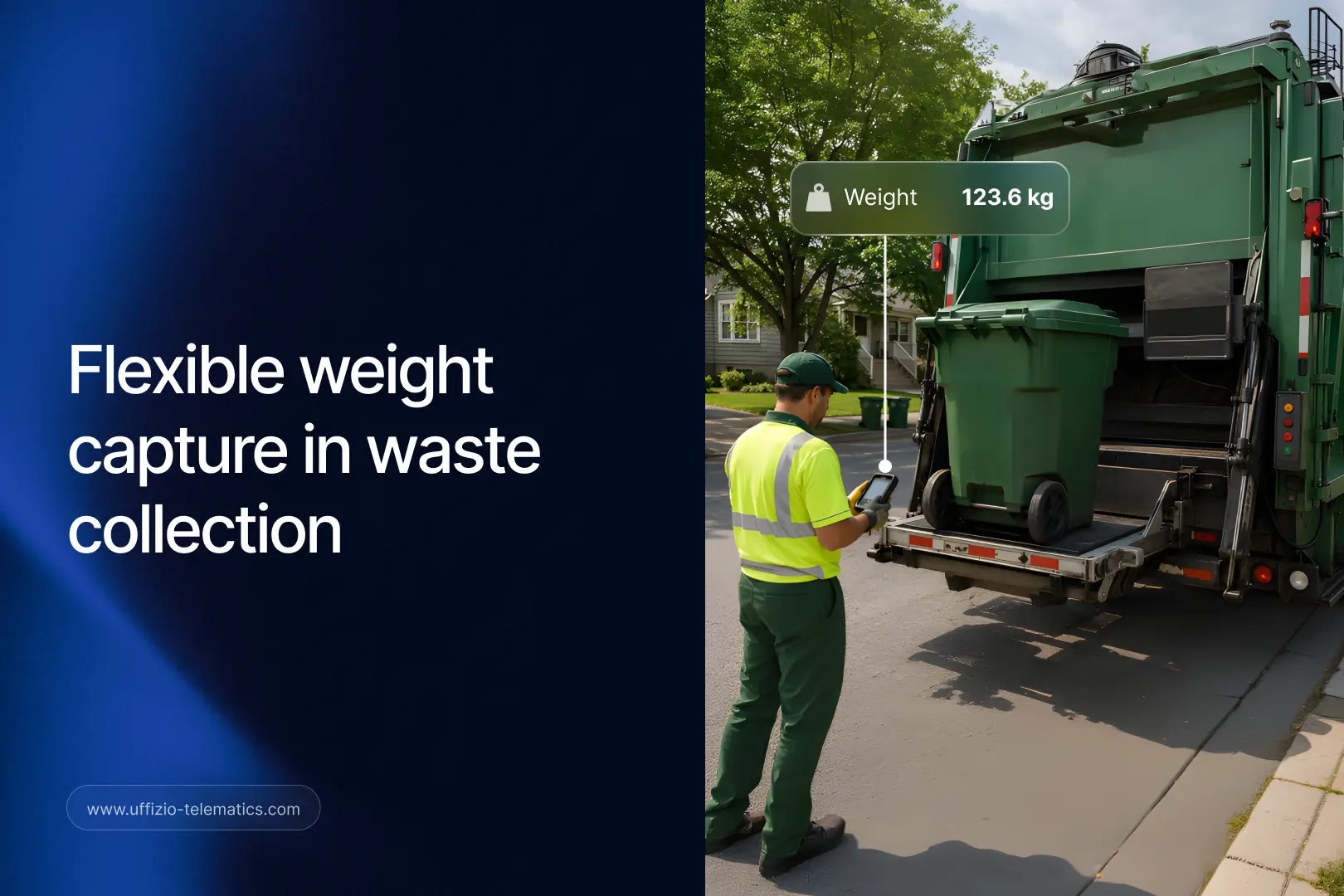
İlk araç, her toplama noktasında atık ağırlığını kaydeder. Her toplama işlemi ölçülür, kaydedilir ve güzergah boyunca takip edilir.
İkinci araç ise tamamen farklı bir süreç izliyor. Birden fazla yerden atık topluyor ve tüm yükün tartıldığı bir aktarma istasyonuna ulaştıktan sonra toplam ağırlığı kaydediyor.
Şimdi işin ilginç kısmına gelelim.
İki işlem de yanlış değil.
Aslında, her ikisi de dünya çapındaki atık yönetimi kuruluşları tarafından kullanılan yaygın uygulamalardır.
Ancak birçok atık yönetim sistemi, her iki ekibin de aynı ağırlık ölçüm sürecini izlemesini beklemektedir.
İşte tam da bu nedenle SmartWaste, atık toplama sürecinde ağırlık kaydına daha esnek bir yaklaşım getirdi. Kuruluşlar artık atık ağırlığının her kontrol noktasında mı yoksa iş seviyesinde tek bir toplam giriş olarak mı kaydedileceğini seçebiliyor.
İlk bakışta bu, küçük bir operasyonel iyileştirme gibi görünebilir.
Ancak, çeşitli müşteri gereksinimlerini yöneten tahsilat ekipleri, yöneticiler ve sistem entegratörleri için bu, önemli bir fark yaratabilir.
Nedenini birlikte inceleyelim.
Gerçek şu ki: Atık toplama işlemlerinin hepsi aynı değil.
Atık yönetimi teknolojisindeki en büyük yanılgılardan biri, her kuruluşun aynı toplama iş akışını izlediği varsayımıdır.
Gerçeklik ise çok farklı.
Veri toplama yöntemleri genellikle şunlara bağlı olarak değişiklik gösterir:
- Bölgesel düzenlemeler
- Mevcut tartım altyapısı
- Müşteri gereksinimleri
- Araç yetenekleri
- Raporlama standartları
- Operasyonel tercihler
Örneğin, belediye çöp toplama güzergahlarında, saha ekipleri için daha hızlı ve pratik olduğu için aktarma istasyonlarında tartım yöntemi kullanılabilir.
Öte yandan, ticari atık işlemleri, faturalandırma ve raporlamayı desteklemek için her toplama noktası için ayrıntılı ağırlık kayıtlarına ihtiyaç duyabilir.
Her iki yaklaşım da geçerli iş ihtiyaçlarına hizmet etmektedir.
Sorun, yazılımın kuruluşları gerçekte çalışma biçimleriyle uyuşmayan bir iş akışı seçmeye zorlamasıyla başlar.
Atık Ağırlığını Kaydetmenin İki Yaygın Yaklaşımı
Esnekliğin neden önemli olduğunu anlamak için, sektörde en sık kullanılan iki yönteme bakalım.
Kontrol Noktası Seviyesinde Ağırlık Yakalama
Bu yaklaşım, her toplama noktasında ağırlığı kaydeder.
Örneğin:
- Ticari bir müşteri geri dönüştürülebilir atık üretmektedir.
- Atıklar hemen toplanıp tartılıyor.
- Ağırlık bilgisi doğrudan toplama noktasıyla bağlantılıdır.
Bu yöntem ayrıntılı görünürlük sağlar ve genellikle bireysel atık oluşumunun yakından izlenmesi gereken durumlarda kullanılır.
İş Seviyesi Ağırlık Yakalama
Birçok bölgede atık toplama sırasında tartılmıyor.
Yerine:
- Araç güzergahını tamamladı.
- Toplanan atıklar bir aktarma istasyonuna, çöplüğe veya tartım tesisine taşınır.
- Toplam yük bir kez tartılır.
- Ağırlık, tamamlanan toplama işlemiyle ilişkilidir.
Bu süreç saha ekipleri için daha basittir ve birçok atık toplama kuruluşunun operasyonel gerçekliğiyle uyumludur.
Önemli olan nokta, her iki yöntemin de yaygın olarak kullanılıyor olmasıdır.
İkisinin de kuruluşların çalışma biçimlerini değiştirmelerini gerektirmemesi gerekir.
Yazılım ve Operasyonlar Uyumsuz Olduğunda
Pratik bir örnek ele alalım.
Atık toplama hizmeti veren bir firma, günlük olarak 60 farklı noktaya hizmet sunmaktadır.
Organizasyon, aracın ağırlığını ancak onaylı bir tartım istasyonuna ulaştıktan sonra kaydeder.
Ancak yazılım, her toplama noktasında ağırlık bilgisine ihtiyaç duyuyor.
Bundan sonra ne olacak?
Genellikle şu üç şeyden biri gerçekleşir:
- Takımlar tahmini değerler girer.
- Veriler daha sonra kaydedilir ve çoğaltılır.
- Gerekli alanlar mümkün olduğunca atlanır.
Bu sonuçların hiçbiri ideal değil. Ek manuel çaba, insan hatası olasılığını artırır. Veri kalitesi tutarsız hale gelir.
Raporlama güvenilirliği azalıyor. Saha ekipleri de asıl işlerini yapmaktan çok bilgi girmekle vakit geçiriyor.
Zamanla, bu küçük verimsizlikler operasyonel performans üzerinde ölçülebilir bir etkiye sahip olabilir.
Ağırlık Ölçümüne Daha Pratik Bir Yaklaşım
İşte bu noktada operasyonel esneklik değer kazanıyor.
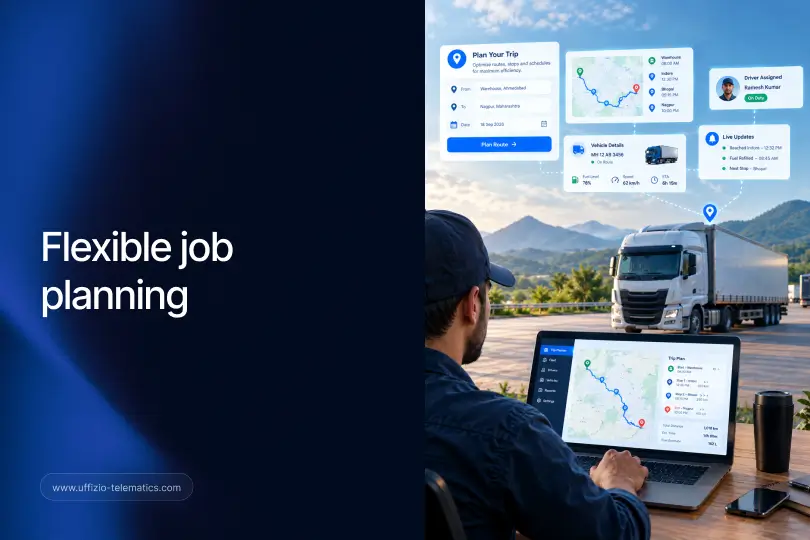
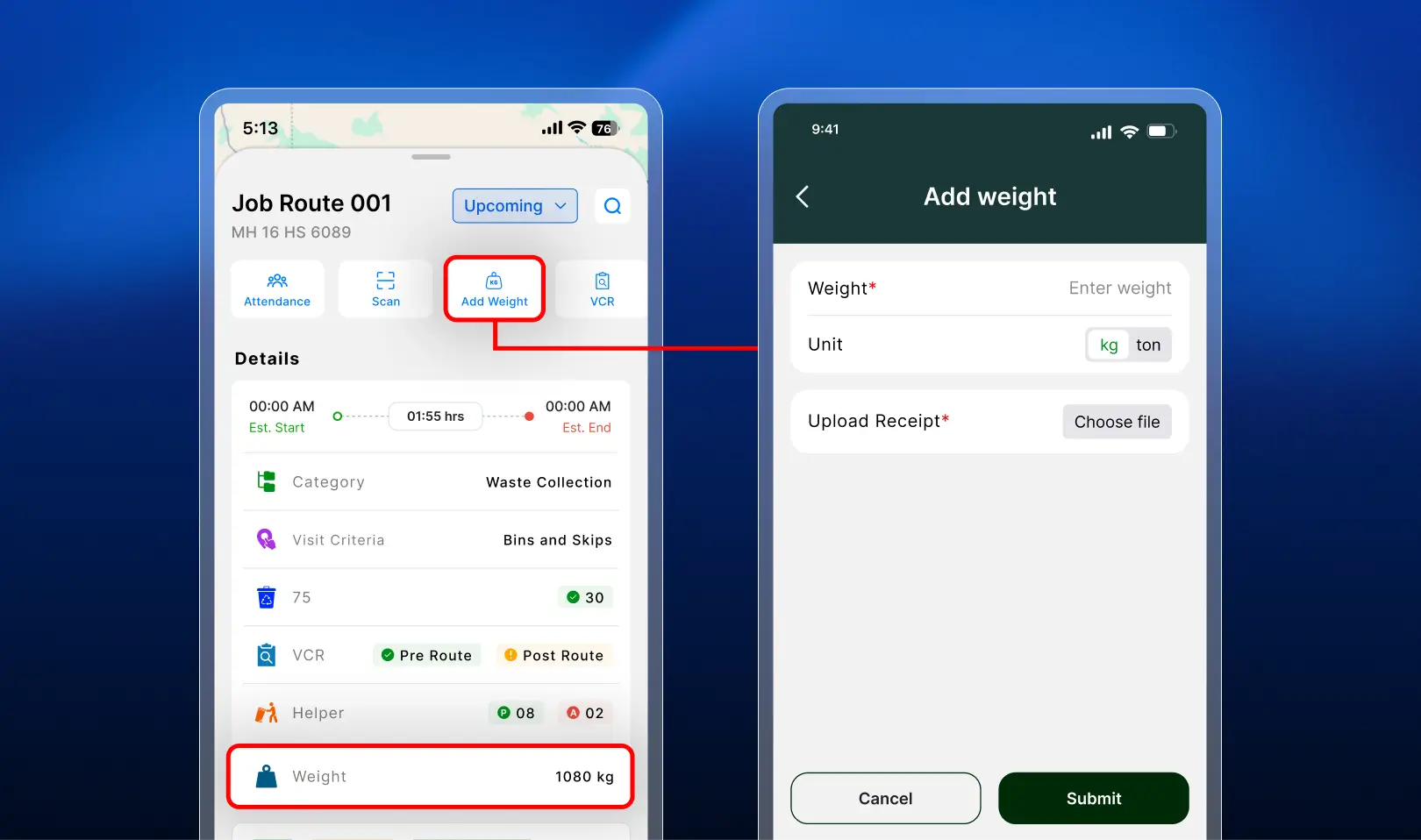
SmartWaste, her kuruluşun atıkları aynı şekilde ölçtüğünü varsaymak yerine, kullanıcıların iş planlaması sırasında tercih ettikleri iş akışına göre ağırlık yakalamayı yapılandırmalarına olanak tanıyor.
Kuruluşlar ağırlığı kaydetmeyi seçebilirler:
- İş seviyesinde tek bir toplam ağırlık girişi kullanılarak
- Mevcut veri toplama iş akışını kullanarak kontrol noktası düzeyinde
Seçilen yöntem daha sonra operasyonel ekosistemin tamamına yansıtılır.
Bunlara şunlar dahildir:
- Toplayıcı uygulamaları
- Kilo yönetimi modülleri
- Canlı takip ortamları
- Operasyonel raporlama
Sonuç olarak, ekipler tüm toplama sürecinde görünürlüğü korurken tutarlı bir iş akışı deneyimliyorlar.

Bu, tahsilat ekipleri için ne anlama geliyor?
Saha operasyonları, süreçler basit olduğunda en iyi sonucu verir.
Her ek adım, gecikmelere, hatalara veya eksik kayıtlara yol açabilecek yeni bir fırsat yaratır.
Her iki ağırlık ölçüm yöntemini de destekleyerek, toplama ekipleri kendi operasyonları için en mantıklı olan süreci izleyebilirler.
Bu, kuruluşların şunları yapmasını sağlar:
- Tamamlanan toplama işleri için tek bir toplam ağırlık kaydedin.
- Gerekli görülen yerlerde, kontrol noktalarında ağırlık ölçümüne devam edin.
- Gereksiz veri girişi görevlerini azaltın
- Kilo kayıplarını daha verimli bir şekilde yönetin.
- Daha temiz ve tutarlı operasyonel kayıtlar tutun.
En önemlisi, ekipler yazılım sınırlamalarıyla uğraşmak yerine atık toplamaya odaklanabilirler.
Sistem Entegratörleri Neden Dikkat Etmeli?
Sistem entegratörleri için esneklik, bir çözümün birden fazla müşteri ortamında ne kadar kolay uygulanabileceğini belirleyen en önemli faktördür.
Her müşterinin kendine özgü ihtiyaçları vardır.
Bir belediye, bir geri dönüşüm şirketinden farklı şekilde faaliyet gösterebilir.
Özel bir yüklenicinin raporlama süreçleri, endüstriyel atık işletmecisinden tamamen farklı olabilir.
Özelleştirme gerektirmeden bu operasyonel varyasyonları desteklemek, uygulama verimliliğini önemli ölçüde artırabilir.
Esnek ağırlık yakalama özelliği, sistem entegratörlerine şu konularda yardımcı olur:
Farklı Müşteri İş Akışlarına Uyum Sağlayın
Müşteriler, kendi faaliyetlerine uygun süreci yapılandırabilirler.
Kullanıcı Benimsemesini İyileştirin
Kullanıcılar, mevcut iş akışlarıyla uyumlu sistemleri benimseme olasılıkları daha yüksektir.
Operasyonel Sürtünmeyi Azaltın
Daha az geçici çözüm, günlük operasyonların daha sorunsuz ilerlemesi anlamına gelir.
Veri Bütünlüğünü Koruyun
Doğru veri toplama, daha güçlü raporlama ve denetim hazırlığına yol açar.
Daha Büyük Uzun Vadeli Değer Sağlayın
Müşteriler, görünürlük veya kontrolü feda etmeden esneklik kazanırlar.
Daha İyi Doğruluk, Daha İyi Hizalama ile Başlar
Atık yönetiminde doğruluk, sadece daha fazla veri toplamakla ilgili değildir. Doğru veriyi doğru şekilde toplamakla ilgilidir. Yazılım, operasyonel uygulamalarla uyumlu olduğunda, kuruluşlar şunları kazanır:
- Daha iyi raporlama güveni
- Veri tutarlılığında iyileşme
- Manuel iş gücünde azalma
- Daha hızlı kullanıcı benimsemesi
- Daha verimli toplama süreçleri
Atık toplama sistemlerinde esnek ağırlık ölçümü, bu hedefe doğru atılan bir adımdır.
Her işlemi tek bir iş akışına zorlamak yerine, kuruluşların gerçek dünyadaki süreçlerini en iyi şekilde yansıtan biçimde çalışmalarına olanak tanır.
Çünkü başarılı atık yönetimi, ağırlığın nasıl kaydedildiğiyle tanımlanmaz.
Bu, operasyonların bu bilgileri ne kadar etkili bir şekilde toplayabildiği, yönetebildiği ve bunlara göre hareket edebildiğiyle tanımlanır.