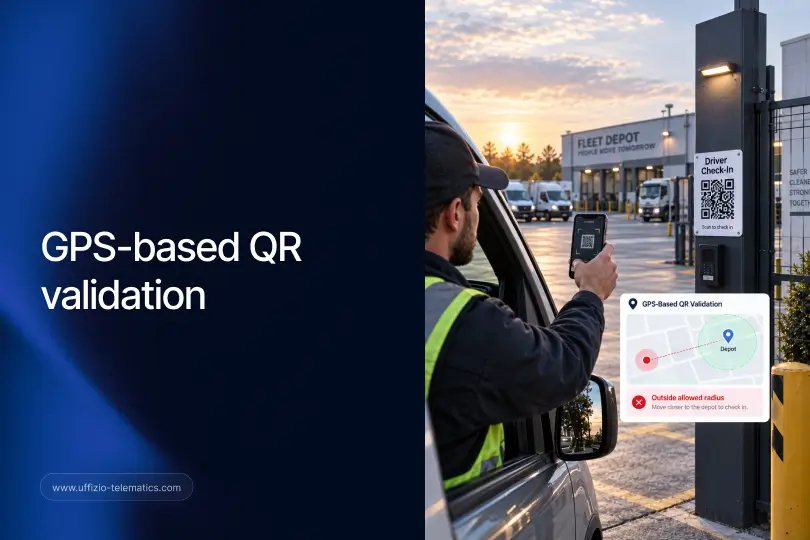
Şoförün vardiyası sabah 8'de başlıyor. QR kod taraması, tam zamanında giriş yaptığını gösteriyor. Ancak şoför, bir iş arkadaşının gönderdiği fotoğrafı kullanarak telefonundan QR kodunu tarattığında, arabasında, depoya on dakika uzaklıktaydı.
Bu durum, çoğu filo sahibinin fark ettiğinden daha sık yaşanıyor. QR kodlu giriş-çıkış sistemleri, katılım sahtekarlığını önlemek için tasarlanmıştı. Pratikte ise sadece sistemi çevrimiçi ortama taşıdılar.
Uzaktan QR Tarama İşleminin Kötüye Kullanılması
QR kodu yalnızca tek bir şeyi kanıtlar: birileri, bir yerlerde kamerayı ona doğrultmuştur. Ancak o kişinin nerede durduğunu kanıtlamaz.
Bu açık, birkaç yaygın yöntemle istismar ediliyor:
- Fotoğraf paylaşımı. Sürücülerden biri QR kodunun fotoğrafını çekip diğerlerine gönderiyor ve onlar da bulundukları yerden kodu tarıyorlar.
- Arkadaş taraması. İş yerinde bulunan bir iş arkadaşı, geç kalan birinin yerine giriş-çıkış kaydını taratıyor.
- Ekran görüntüsünün yeniden kullanımı. Kodun kaydedilmiş görüntüsü daha sonra, araçtan tamamen uzakta, tekrar taranır.
Bunların hiçbiri fazla çaba gerektirmiyor. Ve sistem her iki durumda da "başarılı" bir giriş işlemi gösterdiği için, kimse başka bir sorun ortaya çıkana kadar fark etmiyor: kaçırılan bir teslimat, o sabah kimsenin aslında incelemediği bir araç veya gerçekte olanlarla uyuşmayan bir maaş kaydı.
Trakzee'nin Yakınlık Doğrulamasının Bunu Nasıl Engellediği
Uffizio, Trakzee'ye basit bir çözüm entegre etti: QR kod taraması yalnızca sürücünün telefonu tarama anında aracın yakınında olduğunda geçerli sayılıyor.
İşte, basitçe anlatmak gerekirse, işleyişi şöyle:
- Her araç veya konum için bir yarıçap belirlenir. Örneğin, 50 metre, o konum için mantıklı olan herhangi bir şekilde yapılandırılabilir.
- Trakzee, sürücünün canlı GPS konumunu kontrol eder. Tarama anındaki aracın konumuna göre.
- Sürücü belirlenen yarıçap içindeyse, giriş işlemi tamamlanır. Eğer bu alanın dışındalarsa, tarama engellenir.
Ekstra donanım veya sürücü için ekstra bir adım yok. Her zamanki gibi tarama yapıyorlar. Trakzee, taramanın gerçek olup olmadığını sessizce kontrol ettikten sonra kabul ediyor.
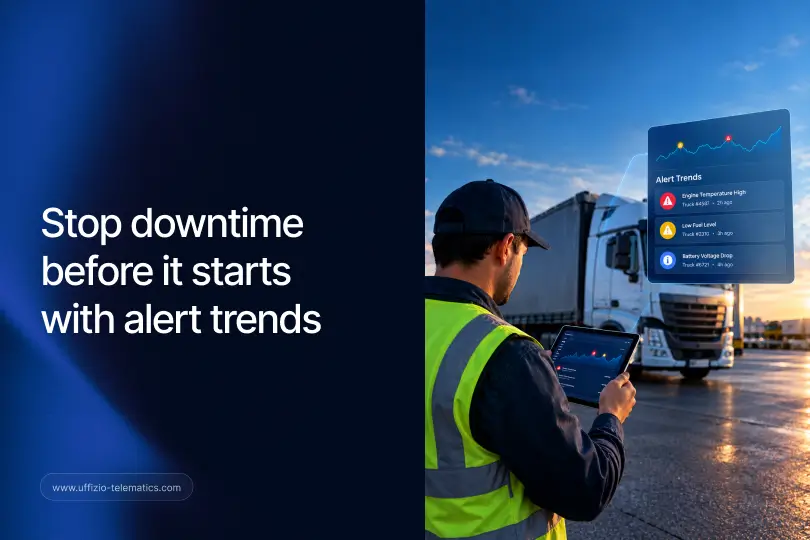
Bunun diğer güven oluşturma özellikleriyle nasıl bir uyum içinde olduğunu merak ediyor musunuz? İşte cevabı. Trakzee'nin uyarı trendlerinin filoların arıza sürelerini azaltmasına nasıl yardımcı olduğu.
Sürücü Açısından Engellenmiş Tarama Nasıl Görünüyor?
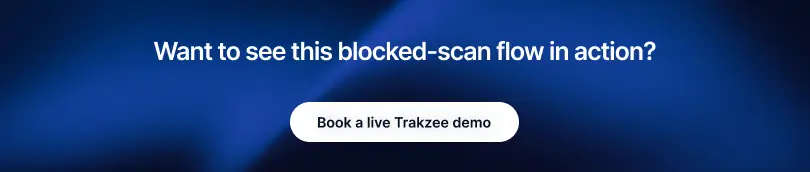
Sürücü izin verilen yarıçapın dışından tarama yapmaya çalışırsa, Trakzee sessizce başarısız olmakla kalmaz, taramanın araçtan çok uzakta olduğu için gerçekleşmediğini açıklayan net bir yakınlık gereksinimi mesajı gösterir.
Bu, iki işi birden hallediyor. Sahte giriş işlemini anında durduruyor ve dürüst sürücüye tam olarak neyin yanlış gittiğini söylüyor, böylece gerçek bir hata (yanlış araçtan tarama gibi) anında yakalanıp düzeltiliyor.
Bunun En Önemli Olduğu Yer
Bu özellik sadece belirli bir filo türü için geçerli değil. Birinin fiziksel olarak orada bulunduğunu kanıtlamanın gerektiği her yerde kullanılabilir:
- Lojistik ve teslimat filolarıBurada, bir rota başlamadan önce sürücünün aracı gerçekten teslim aldığını teyit eden bir giriş işlemi yapılır.
- Atık toplama filolarıBurada doğru giriş-çıkışlar doğrudan iş ataması ve rota sorumluluğuyla bağlantılıdır.
- Saha servis filolarıBurada, sadece katılım değil, yerinde bulunmanın kanıtı da çoğu zaman faturalandırma veya uyumluluk açısından önem taşır.
Bunların her birinde aynı çözüm geçerlidir: Güvenilir bir check-in, sadece kağıt üzerinde doğru görünen bir check-in'den çok daha değerlidir.
Özetle
QR kodları, giriş işlemlerini hızlandırdı. Ancak aynı zamanda sahteciliği de kolaylaştırdı. Uffizio'nun Trakzee sistemi, GPS yakınlık doğrulamasıyla bu açığı kapatıyor; böylece giriş işlemi yalnızca sürücü gerçekten orada olduğunda geçerli sayılıyor. Yeni bir donanıma, ekstra adımlara gerek yok, sadece sonunda anlamını kavrayan bir tarama işlemi.
SSS
Giriş yapma yarıçapı nasıl ayarlanıyor?
Yarıçap, araç veya konum bazında yapılandırılabilir; bu nedenle, konumun ne kadar hassas olması gerektiğine bağlı olarak daha dar veya daha geniş ayarlanabilir.
Bu durum sürücünün giriş işlemlerini yavaşlatır mı?
Hayır. Sürücü aynı QR kodunu aynı şekilde tarar. Yakınlık kontrolü arka planda otomatik olarak gerçekleşir.
Sürücü yanlışlıkla güvenlik yarıçapının hemen dışına çıkarsa ne olur?
Tarama engelleniyor ve nedenini açıklayan net bir mesaj görüntüleniyor, böylece sürücü daha yakına gitmesi veya doğru aracı taradığından emin olması gerektiğini anlıyor.
Bu işlem için ek donanıma ihtiyaç duyuluyor mu?
Hayır. Sürücünün telefonunda zaten mevcut olan GPS'i ve aracın mevcut konum verilerini kullanır.