تخيل هاتفًا قديمًا. كان يدوم طوال اليوم. أما الآن، فينفد شحنه بحلول وقت الغداء، على الرغم من أنك تشحنه بنفس الطريقة المعتادة.
ليس هذا خطأ الشاحن، بل هو عيب في البطارية مع مرور الوقت. تعمل السيارات الكهربائية بنفس الطريقة، وبالنسبة لأسطول من السيارات، قد يتحول هذا التقادم التدريجي إلى مفاجأة مكلفة للغاية.
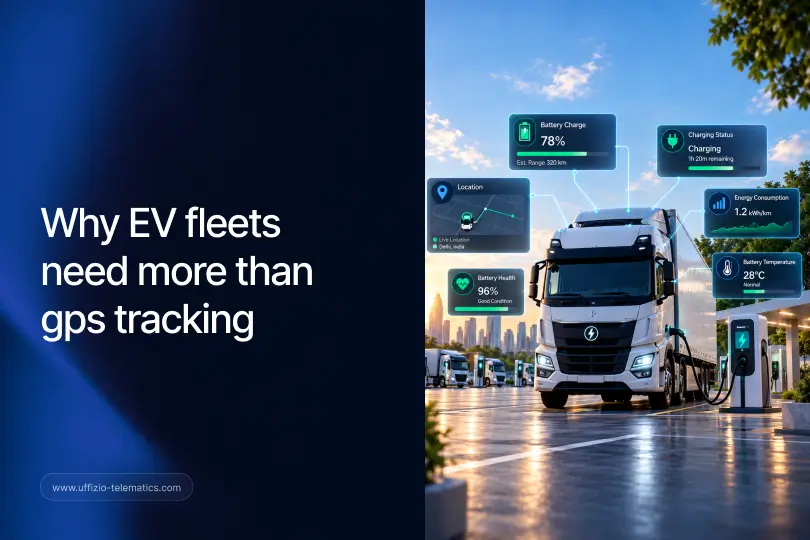
إن مراقبة صحة البطارية هي ببساطة الحل: طريقة لمشاهدة عملية التقادم تحدث، بدلاً من اكتشافها بالطريقة الصعبة.
احتسِ فنجان قهوة واقرأ ما هو ذكاء السيارات الكهربائية هنا
أولاً، ماذا نعني بـ "صحة البطارية"؟
تحتوي كل بطارية سيارة كهربائية على مؤشر يُسمى حالة الصحة (SoH). قد يبدو المصطلح تقنياً، ولكنه بسيط: فهو يُشير إلى مقدار الشحنة التي لا تزال البطارية قادرة على الاحتفاظ بها، مقارنةً بحالتها عندما كانت جديدة.
تكون البطارية الجديدة مشحونة بنسبة 100%. أما البطارية المشحونة بنسبة 75%، فلا يمكنها الاحتفاظ إلا بثلاثة أرباع هذه النسبة. ومع ذلك، فهي لا تزال قادرة على تشغيل السيارة، لكنها لن تقطع المسافة نفسها، وستحتاج إلى الشحن بشكل متكرر.
يحدث هذا الانخفاض في أداء جميع البطاريات، ببطء، على مدى شهور وسنوات. إنه أمر طبيعي تمامًا. تكمن المشكلة الحقيقية في عدم تتبعه، لأن ذلك قد يؤدي إلى عطل مفاجئ لم يكن أحد يتوقعه.
لماذا يجب على مالكي أساطيل المركبات الاهتمام فعلاً؟
لا يحتاج مدير أسطول المركبات إلى معرفة الجوانب العلمية للبطاريات، بل يحتاج إلى معرفة تأثيرها على أعماله، وهو تأثير مباشر في عدة جوانب:
- تتوقف المسارات عن العمل. قد تجد شاحنة كانت تقطع مسافة 200 كيلومتر بشحنة واحدة صعوبة في قطع مسافة 140 كيلومترًا فقط. فالمسار اليومي نفسه يصبح فجأة غير كافٍ.
- تتعطل المركبات فجأة دون سابق إنذار. قد تتعطل البطارية التي تقترب من نهاية عمرها فجأة، مما يترك السيارة عالقة في منتصف الطريق.
- يتأثر سعر إعادة البيع سلباً. أي شخص يشتري سيارة كهربائية مستعملة يتأكد من حالة البطارية أولاً. فالحالة السيئة قد تخفض السعر بشكل كبير.
- تتزايد التكاليف تدريجياً. تستهلك البطارية المتعبة الطاقة بكفاءة أقل، لذا فإن نفس الرحلة تكلف أكثر.
لا يمكن ملاحظة أي من هذا بمجرد النظر إلى السيارة. لا يصبح الأمر واضحاً إلا عند تتبع رقمها.
هل تتساءل عما يطلبه العملاء هذه الأيام؟ إليك 12 ميزة في السيارات الكهربائية لا يتوقفون عن ذكرها.
كيف يبدو هذا من الداخل في تراكزي
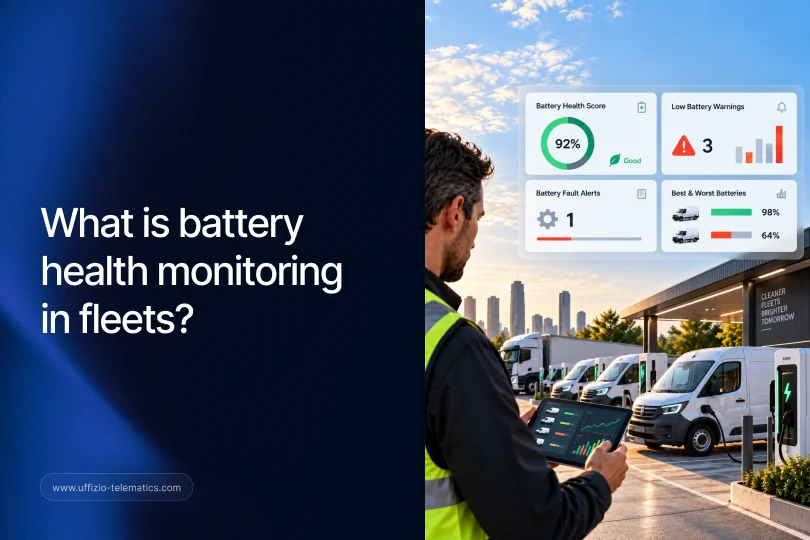
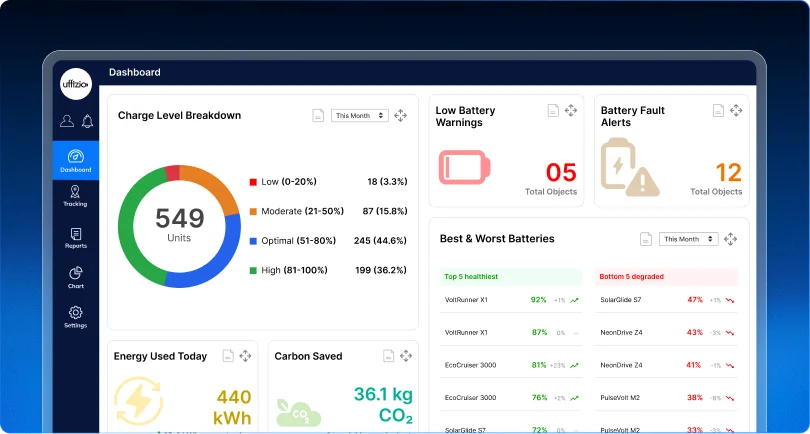
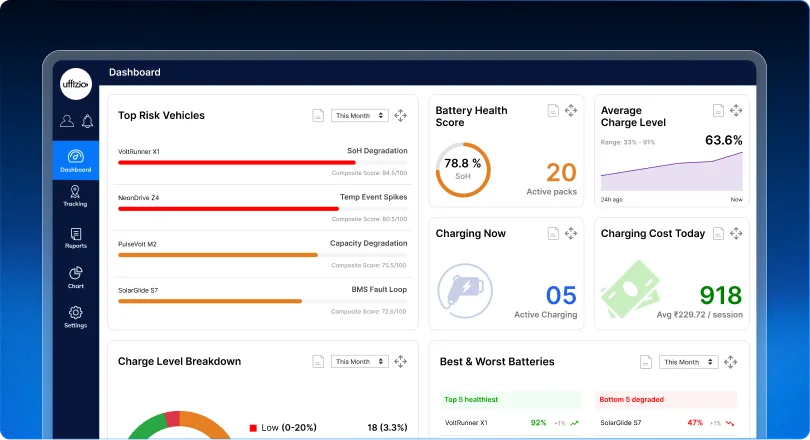
إليك الجزء المهم بالنسبة لك كموزع أو مُكامل أنظمة: عميلك لا يحتاج إلى نظام منفصل للاطلاع على أي من هذه المعلومات. فهي مُدمجة بالفعل في لوحة تحكم Trakzee التي يستخدمها يوميًا.
ما سيرونه، في مكان واحد:
- مؤشر صحة البطارية — رقم واحد يوضح حالة البطارية.
- متوسط مستوى الشحن، والطاقة المستخدمة اليوم، والتكلفة لكل كيلومتر — أرقام حقيقية لتكاليف التشغيل، وليست تقديرات.
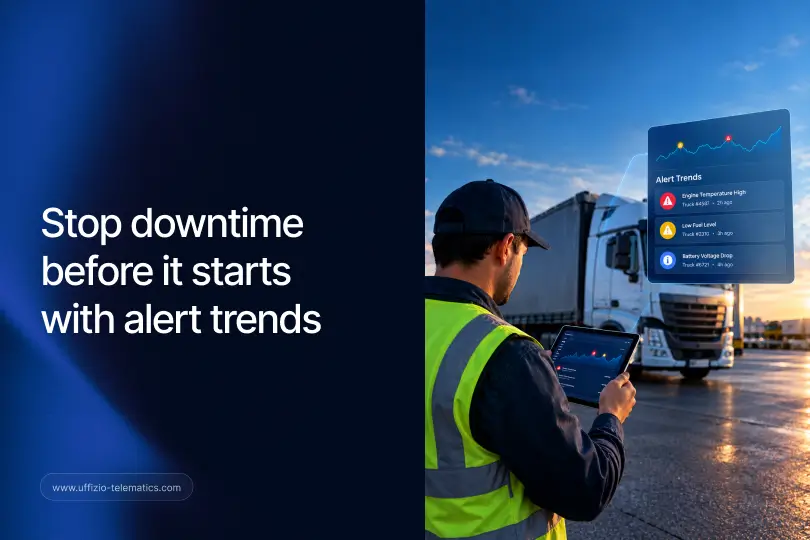
- تحذيرات الأعطال ودرجة الحرارة — تنبيه مبكر قبل أن تتحول مشكلة صغيرة إلى عطل.
- رؤى حول الصيانة التنبؤية — تنبيه بأن البطارية تحتاج إلى عناية، بينما لا يزال هناك وقت للتخطيط بشأنها.
كما يعرض الموقع مباشرةً على الخريطة. لذا، يمكن لمدير الأسطول الذي يتحقق من موقع المركبة أن يرى حالة بطاريتها بنظرة واحدة.
التقارير التي تدعم ذلك
يُشير التقييم إلى حدوث تغيير ما، بينما يُوضح التقرير السبب. ولهذا السبب، يتضمن تطبيق Trakzee أيضاً 35 تقريراً خاصاً بالسيارات الكهربائية، تغطي صحة البطارية، والشحن، والطاقة والتكلفة، والكفاءة، والسلامة، والصيانة التنبؤية، والعمليات اليومية.
بعض الأمور التي تستحق المعرفة:
- تتبع حالة الصحة — قصة البطارية على مدى أسابيع وشهور، وليس مجرد لقطة واحدة.
- تحليل دورة الشحن — يوضح عادات الشحن، حيث أن الشحن السريع المتكرر واستخدام البطاريات حتى نفادها يؤديان إلى تآكل أسرع.
- تحليل إنذار البطارية — كل التحذيرات في مكان واحد، لذا يسهل رصد الأنماط.
- التنبؤ بالفشل — توقعات بشأن المركبات التي ستواجه مشاكل في البطارية.
تحتاج معظم الشركات إلى نظام إدارة بطاريات منفصل (BMS) للحصول على هذا المستوى من التفاصيل. أما هنا، فهو جزء لا يتجزأ من برنامج إدارة الأسطول - لا نظام إضافي، ولا تكلفة إضافية.
 ماذا تفعل عندما تبدأ النتيجة بالانخفاض؟
انخفاض مؤشر صحة البطارية ليس حالة طارئة، بل هو مجرد تنبيه. إليك طريقة بسيطة للتعامل معه:
- انظر إلى الاتجاه العام، وليس إلى قراءة واحدة. من المتوقع حدوث انخفاض بطيء وثابت. أما الانخفاض المفاجئ فيستدعي مزيداً من التدقيق.
- راجع نمط الشحن. عادةً ما يُظهر تقرير دورة الشحن ما إذا كانت العادات السيئة تُسرّع الأمور.
- لا تتجاهل تنبيهات الأعطال أو درجات الحرارة. تظهر هذه الأمور عادةً قبل أن تنخفض النتيجة بشكل حاد، مما يمنح الوقت للتصرف مبكراً.
- ضع خطة، لا تدع الذعر يتملكك. استخدم هذه المعلومات لتحديد موعد للإصلاح أو تعديل المسار، بدلاً من انتظار تعطل المركبة أثناء العمل.
هذه هي الفكرة الأساسية: تحويل المخاطر الخفية إلى شيء يمكنك التخطيط له.
يختتم
تُتيح مراقبة حالة البطارية قياس حالة البطارية بدقة، وهو أمر غير مرئي - أي تآكل البطارية تدريجيًا. وهذا يعني تقليل الأعطال، وتحسين سعر إعادة البيع، وخفض تكاليف التشغيل لمالك الأسطول.
بالنسبة لك، إنها واحدة من أسهل الميزات التي يمكنك عرضها، لأن كل مالك لأسطول سيارات كهربائية يهتم بهذا الأمر تحديداً.
التعليمات
ما الذي يُعتبر مؤشراً صحياً لأداء البطارية في أسطول المركبات الكهربائية؟
أي شيء يزيد عن 80% من حالة الصحة يُعتبر جيداً بشكل عام. أما إذا انخفض عن ذلك، فإن مدى القيادة وموثوقيتها يبدآن بالتراجع بشكل ملحوظ للسائقين.
كم مرة يجب على الشخص فحص حالة البطارية؟
عادةً ما تكون نظرة سريعة أسبوعية أو شهرية على الاتجاه كافية، لأن استهلاك البطارية يحدث تدريجياً بدلاً من حدوثه بين عشية وضحاها.
هل تؤثر حالة البطارية فعلاً على قيمة إعادة البيع؟
نعم. يطلب مشتري السيارات الكهربائية المستعملة بشكل روتيني تقرير حالة البطارية، ويؤدي انخفاض التقييم بشكل مباشر إلى خفض السعر الذي يمكن لمالك الأسطول بيعه به.
هل هذا يحل محل نظام إدارة المباني المنفصل؟
بالنسبة لمعظم أساطيل المركبات، نعم. يغطي مؤشر صحة البطارية وتقارير المركبات الكهربائية الـ 35 ما يقوم به نظام إدارة البطارية المستقل عادةً.
هل هذا الأمر يستحق العناء بالنسبة لأسطول صغير أيضاً؟
بالتأكيد. حتى عطل واحد غير مخطط له أو عملية بيع واحدة بسعر أقل قد تكلف أكثر من مجرد مراقبة النتيجة.