İster küçük bir filo sahibi olun ister birden fazla filoyu yönetin, güvenlik her zaman önceliğinizdir. Güvenliği sağlamak için görünürlüğe ihtiyacınız var; sadece araçların doğru yolda olup olmadığına değil, sürücülerin aracı nasıl kullandığına da dikkat etmelisiniz. Bu nedenle günümüz filoları sürücü performans değerlendirme sistemlerine güveniyor.
Bu performans değerlendirme tabloları, yöneticilere her sürücünün yolda nasıl performans gösterdiğine dair net bir tablo sunar. Yöneticiler artık manuel çalışmaya güvenmek yerine riskleri belirleyebilir, güvenli alışkanlıkları teşvik edebilir ve kazaları azaltabilir. Bu, performansı iyileştirmenin ve hem sürücüleri hem de varlıkları her gün korumanın daha akıllı bir yoludur.
Sürücü performans değerlendirme kartları nedir?
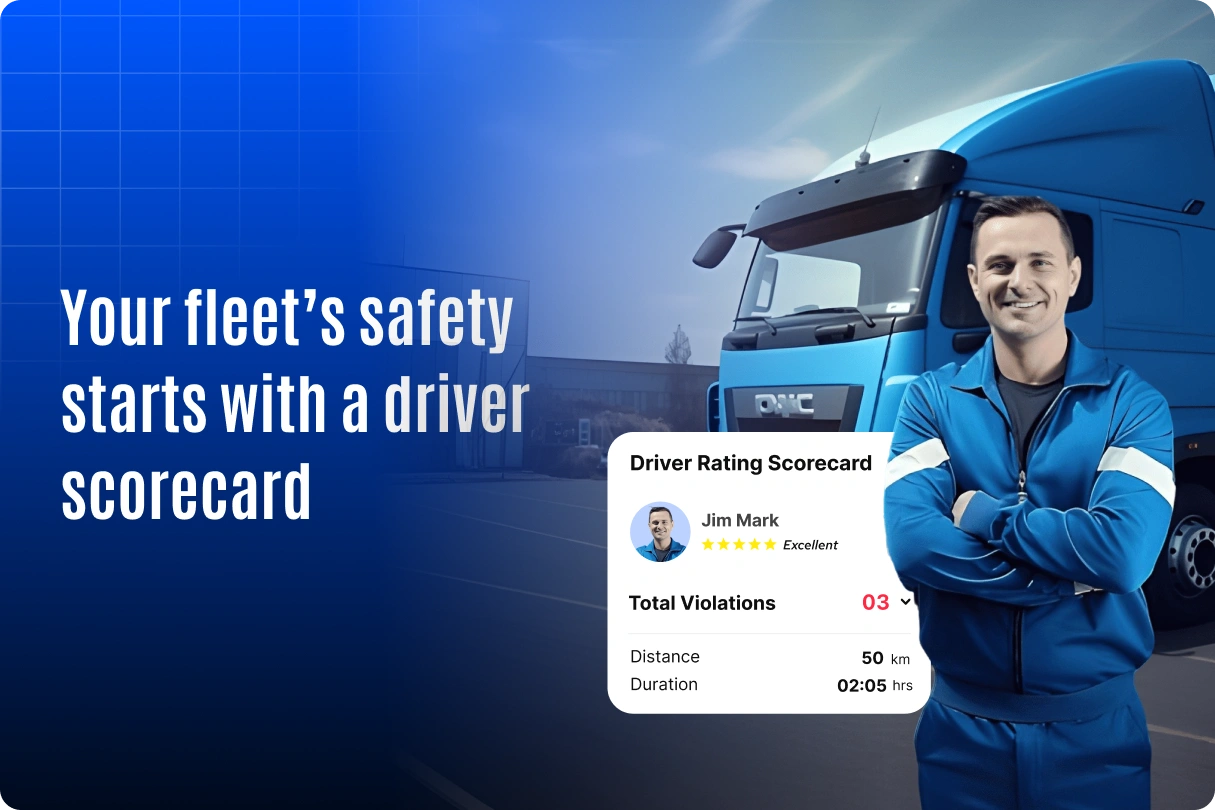
Sürücü performans değerlendirme raporu, bir sürücünün aracı ne kadar güvenli kullandığını gösteren basit bir rapordur.
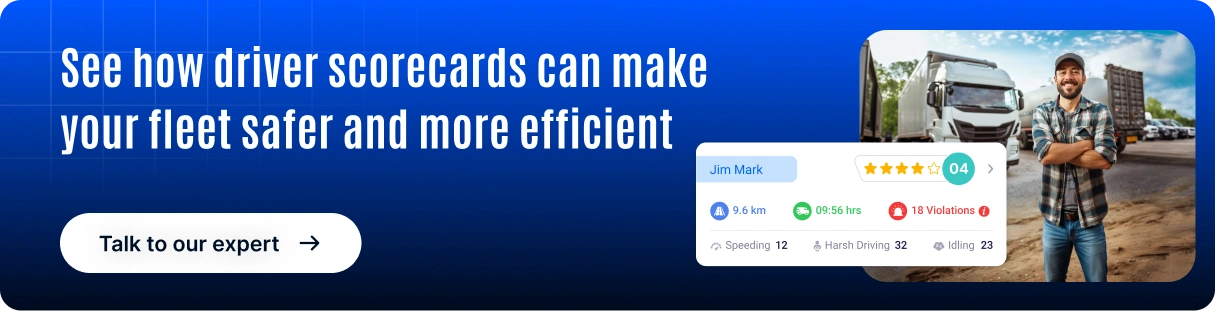
Telematik cihazlardan veri toplar ve sürücüleri şu kriterlere göre değerlendirir:
- Aşırı hız
- Ani frenleme veya hızlanma
- Keskin viraj alma
- Uzun süre rölantide çalışma
- Emniyet kemeri kullanımı
Her sürücüye bir puan verilir: güvenli sürüş için yeşil, ortalama sürüş için sarı ve riskli sürüş için kırmızı. Sürücü Davranış İzleme Sistemi ile filo yöneticileri, güvenli olmayan sürücüleri kolayca tespit edebilir ve kazalar meydana gelmeden önce erken önlem alabilirler.
Filo yöneticileri neden sürücü performans değerlendirme raporlarına güveniyor?
Sürücü performans değerlendirme tabloları, yöneticilerin sadece izleme yapmasına yardımcı olmakla kalmaz, aynı zamanda daha iyi ekipler oluşturmalarına da yardımcı olur.
Yöneticiler şunları yapabilir:
- Filolar içindeki sürücü performansını karşılaştırın.
- Tehlikeli sürüş alışkanlıkları için anında uyarılar alın.
- Sürücülerin güvenliği için bir eğitim programı planlayın.
- En iyi sürücüleri ödüllendirerek daha iyi performans sergilemeleri için teşvik edin.
Bu eylemlerin tümü, yöneticilerin basit izlemeden anlamlı iyileştirmeye geçmelerine ve filo genelinde bir güvenlik kültürü oluşturmalarına yardımcı olur.
Sürücü performans değerlendirme sistemleri kazaları azaltmaya nasıl yardımcı olur?
Sürücü performans değerlendirme kartları sadece sayıları takip etmekle kalmaz, gerçek sürüş davranışlarını da ölçer. Her yolculuğu bir öğrenme fırsatına dönüştürerek filoların güçlü bir güvenlik kültürü oluşturmasına yardımcı olurlar.
İşte kazaları adım adım nasıl azalttıkları:
- Veri toplama: GPS, sensörler ve telematik cihazlardan veri topluyorlar.
- Bilgi edinimi: Sistem, aşırı hız veya ani frenleme gibi riskli davranışları analiz eder ve ilgili kişilere yol gösterir.
- Geri bildirim ve koçluk: Sürücüler geri bildirim alırlar ve eğitim görürler.
- Davranış değişikliği: Zaman içinde değişen sürücü geliştirmelerini takip edin.
- Daha az kaza: Farkındalığın artması daha az kaza ve daha düşük maliyetlere yol açar.
Bu süreçle birlikte filolar proaktif hale gelir; kazalara tepki vermek yerine kazaları önlemeye odaklanırlar.
Filo operasyonları üzerinde gerçek etki
Sürücü performans değerlendirme sistemleri sadece güvenliği artırmakla kalmaz; aynı zamanda işletmelere de açık faydalar sağlar.
- Daha az kaza: Arızaları ve maliyetleri azaltın.
- Daha iyi yakıt tasarrufu: Güvenli sürüş yakıt tasarrufu sağlar.
- Daha az bakım gerektirir: Dikkatli sürüş, aracın ömrünü uzatır.
- Daha yüksek verimlilik: Sürücüler yolculuklarını gecikme veya kaza olmadan tamamlıyorlar.
- Daha düşük sigorta maliyetleri: Sigorta şirketleri, güvenlik standartlarını koruyan filo şirketlerini ödüllendirir.

Sürücü performans değerlendirme kartlarından en iyi şekilde yararlanmak için en iyi uygulamalar
Sürücü performans değerlendirme sistemlerinin başarılı olması için:
- Açık fikirli olun: Sürücülere neyin takip edildiğini ve neden takip edildiğini bildirin.
- Cezalandırmak yerine eğitmek: Sürücülerin performanslarını iyileştirmelerine yardımcı olmak için puanlama tabloları kullanın.
- En iyi sürücüleri tanıyın: İyi alışkanlıkları ödüllerle teşvik edin.
- Özelleştirmek: Puanlamayı araç türüne ve güzergahlara göre ayarlayın.
- İnceleme sonuçları: Gelişmeleri takip edin ve düzenli olarak güncelleyin.
Doğru uygulandığında, performans değerlendirme sistemleri ekip çalışmasını ve güçlü bir güvenlik kültürünü teşvik eder.
Yapay zeka ve video telematik, performans değerlendirme tablolarını daha akıllı hale getiriyor.
Modern sürücü performans değerlendirme sistemleri, daha da fazla ayrıntıyı tespit etmek için yapay zeka ve video telematik teknolojilerini kullanıyor.
Örneğin, sistem artık şunları tanımlayabiliyor:
- Şerit değiştirme
- Güvenli olmayan takip mesafesi
- Sürüş sırasında cep telefonu kullanımı
- Sürücü dikkatsizliği veya uykululuğu
Video entegrasyonu sayesinde yöneticiler, olayları yalnızca verilerle değil, gerçek görüntülerle de inceleyebilirler. Bu, kazaları önlemeye, sürücüleri korumaya ve sigorta anlaşmazlıklarını daha hızlı çözmeye yardımcı olur.
Filo güvenliğinin geleceği
Filo güvenliği giderek daha akıllı ve veri odaklı hale geliyor. Telematik ve yapay zekadaki gelişmelerle birlikte, sürücü performans değerlendirme sistemleri, basit takip araçlarından, kazalar meydana gelmeden önce riskleri belirleyen tahmin sistemlerine dönüşüyor.
Yapay zekâ destekli kameralar, sürüş alışkanlıklarını gerçek zamanlı olarak analiz edecek ve sürücüleri tehlikeli davranışlar konusunda anında uyaracaktır. Video telematik sistemleri, yöneticilerin olayları hızlı bir şekilde incelemelerine ve adil, bilinçli kararlar almalarına da yardımcı olacaktır.
Önümüzdeki yıllarda filolar şunları bekleyebilir:
- Öngörücü güvenlik uyarıları Sürücü performans trendlerine dayanmaktadır.
- Oyunlaştırılmış gösterge panelleri Güvenli sürüş alışkanlıklarını teşvik eden.
- Elektrikli araçlar ve ADAS ile entegrasyon Birleşik güvenlik takibi için.
Telematik ve yapay zekayı birleştirerek, sürücü performans değerlendirme sistemleri, proaktif bir filo güvenliği ekosisteminin omurgasını oluşturacak ve filoların kazalara müdahale etmek yerine kazaları önlemesine yardımcı olacaktır.
Özet
Günümüzde filo güvenliği sadece kazaları önlemekle ilgili değil; her yolculukta farkındalık ve sorumluluk oluşturmakla ilgili. Sürücü performans değerlendirme sistemleri, sürüş verilerini hayat kurtaran, maliyetleri düşüren ve filoları daha verimli hale getiren net bilgilere dönüştürüyor. Bu araçları kullanan yöneticiler sadece rapor almakla kalmaz, filolarının nasıl çalıştığı konusunda gerçek bir kontrol ve güven kazanırlar. Sürücüler performanslarının değerli olduğunu bildiklerinde daha iyi sürüş yaparlar, daha güvenli kalırlar ve hem araçları hem de işletmeyi korurlar. Çünkü sonuçta daha güvenli sürüş, filonuzdan daha fazlasını korur; geleceğinizi korur.