Si llevas tiempo trabajando con datos de flotas, probablemente te hayas enfrentado a esto.
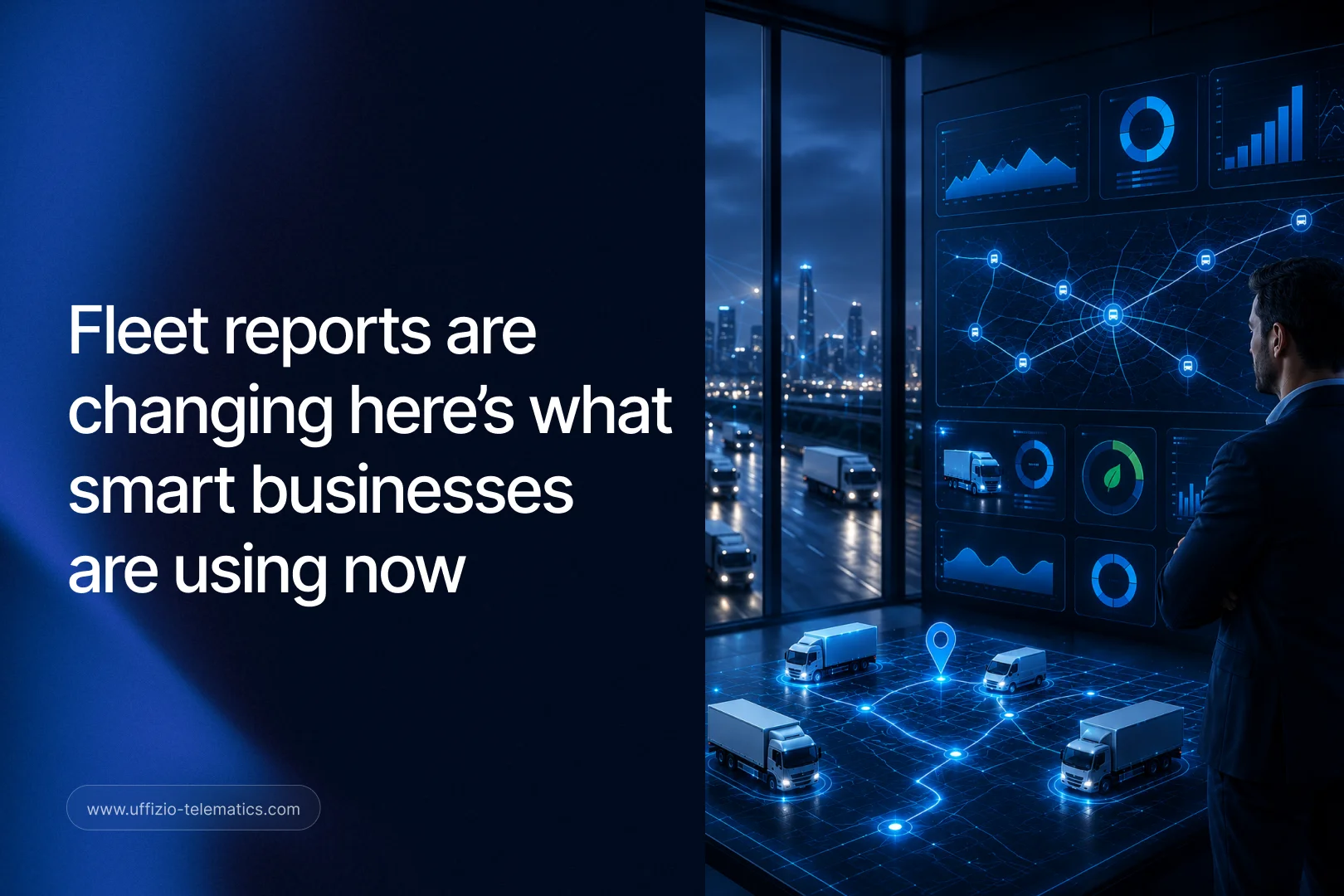
Los informes siguen llegando (resúmenes de viajes, registros de desplazamientos, gráficos de velocidad), pero en lugar de ayudar, empiezan a resultar abrumadores.
Se ven números por todas partes.
Pero el siguiente paso aún no está claro.
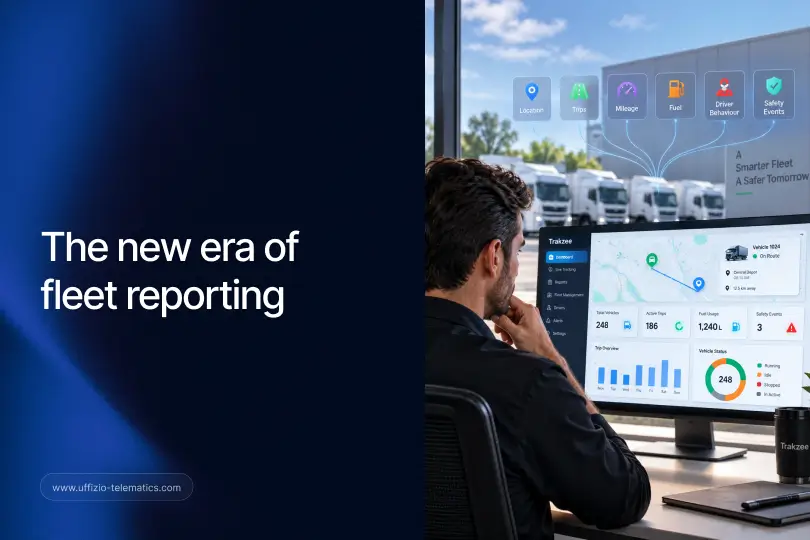
El verdadero problema no son los datos. Es la claridad. La mayoría de los informes muestran qué sucediópero no ¿Qué hacer a continuación?Y ahí es donde la presentación de informes de flotas está evolucionando silenciosamente.
Una forma más inteligente de leer los datos de la flota
No todos los informes tienen el mismo propósito. Un informe de viaje analiza la eficiencia. Un informe de historial de viajes muestra el desplazamiento. Un informe de velocidad refleja el comportamiento al volante.
Sin embargo, durante años, han recibido el mismo trato: con paneles de control estáticos y resúmenes genéricos.
Ahora las cosas están cambiando. Los informes son cada vez más sensibles al contexto. En lugar de repetir las mismas ideas en todas partes, se adaptan en función del problema que cada informe pretende resolver.
¿Qué está cambiando, en términos sencillos?
- Los análisis se adaptan al propósito de cada informe.
- Los datos se filtran para mostrar solo lo que importa.
- Los resultados se están volviendo más orientados a la acción.
Este cambio facilita la lectura de los informes y los hace mucho más útiles.
Cómo se ve la elaboración de informes de flotas modernos
El cambio más significativo radica en la forma en que se comunican los informes. Ya no son simples pantallas repletas de datos, sino que se están convirtiendo en explicaciones guiadas.
En lugar de perder el tiempo intentando resolver problemas, los usuarios pueden centrarse directamente en las áreas de mejora.
Características clave de la información moderna:
- Información contextualizada para cada informe.
- Análisis automatizado sin esfuerzo manual
- Identificación clara de las ineficiencias
- Sugerencias integradas para mejorar
- Menos ruido y mayor claridad de los datos.
No se trata tanto de analizar, sino de comprender al instante.

Cómo se refleja esto en los informes clave
Los informes de viaje son cada vez más esclarecedores.
Antes, los informes de viaje se centraban en la distancia y la duración. Ahora, destacan las deficiencias en la eficiencia.
Hacen que sea más fácil detectarlo:
- Alto tiempo de inactividad en comparación con el tiempo de funcionamiento.
- Distribución desigual de los viajes entre los vehículos
- Paradas y retrasos frecuentes
- Problemas de comportamiento al volante, como el exceso de velocidad.
También orientan mejoras como:
- Reducción del tiempo de inactividad
- Equilibrar la carga de trabajo
- Mejorar los hábitos de conducción
👉 El resultado es simple: mejor utilización y mejor rendimiento de la flota.
La historia de los viajes comienza a contar una historia.
El historial de viajes ya no es solo un registro de movimientos. Ahora revela la eficacia con la que se aprovecha el día.
Ayuda a identificar:
- Paradas frecuentes y largos periodos de inactividad.
- movimientos cortos o fragmentados
- Subutilización entre viajes
- Patrones de movimiento irregulares
También ofrece oportunidades como:
- Reducción de la pérdida de tiempo durante el día.
- Optimización de rutas para un flujo más fluido
👉 El resultado es una mayor eficiencia diaria y una mejor planificación operativa.
Los informes de velocidad van más allá de los datos superficiales.
Los informes de velocidad frente a distancia se están volviendo más estratégicos. Ahora vinculan los patrones de velocidad con un impacto real en el negocio.
Destacan lo siguiente:
- Rangos de velocidad dominantes en toda la flota
- Uso desigual de los vehículos
- Unidades subutilizadas o inactivas
- Uso excesivo de ciertos vehículos
También descubren:
- Desequilibrio de la carga de trabajo
- Riesgo de fatiga del conductor
- Señales de mantenimiento
Y sugiere acciones como:
- Equilibrar el uso de la flota
- Mejorar las estrategias de despliegue
👉 Esto conlleva una conducción más segura y unas operaciones de flota más equilibradas.
Por qué este cambio está creando nuevas oportunidades
A medida que las empresas de gestión de flotas evolucionan, sus expectativas respecto a la tecnología van en aumento.
El seguimiento básico ya no es suficiente. Existe una clara demanda de soluciones que simplifiquen la toma de decisiones y aporten un valor cuantificable.
Esto abre grandes oportunidades para:
- Ofrezca soluciones de flota más orientadas al valor.
- Vaya más allá de los informes telemáticos básicos.
- Posicionar las ofertas como herramientas para la toma de decisiones
- Construir relaciones más sólidas y duraderas con los clientes.
- Incrementar el valor general de la solución y los márgenes.
En resumen, una presentación de informes más inteligente se está convirtiendo en un factor diferenciador clave.
Dónde esto tiene un impacto inmediato
Este enfoque se adapta a múltiples industrias sin ningún problema.
- Logística y transporte
Mejora la eficiencia de los viajes y reduce los retrasos. - Transporte escolar
Mejora la seguridad y reduce el tiempo de inactividad innecesario. - Flotas de reparto y de última milla
Optimiza las rutas y minimiza los intervalos de tiempo.
El impacto es constante: una mejor comprensión conduce a mejores decisiones.
El impacto empresarial detrás del cambio
Cuando los informes son más fáciles de entender, las operaciones mejoran de forma natural.
- Ahorra tiempo dedicado al análisis manual.
- Reduce las ineficiencias operativas
- Acelera la toma de decisiones
- Mejora la utilización de la flota.
- Mejora la calidad del servicio
- Aumenta la satisfacción general del cliente.
Se trata de un cambio directo de un análisis que requiere mucho esfuerzo a una acción orientada a los resultados.
Panorama general: Hacia dónde se dirige la tecnología de flotas
Esta evolución está dando forma al futuro del software de gestión de flotas.
- Informes de flota más inteligentes e intuitivos
- Información más detallada mediante análisis de flotas con IA
- Reducción del trabajo manual gracias a la automatización de los informes.
- Informes telemáticos más significativos
La tecnología de gestión de flotas está pasando del seguimiento a la inteligencia, y eso supone un gran avance.

Reflexión final: Cuando los informes empiezan a influir en las decisiones.
Los datos de la flota siempre han sido muy valiosos.
Pero su verdadero valor reside en la facilidad con la que se puede poner en práctica.
A medida que los informes se vuelven más contextuales y se basan en análisis, se convierten en algo mucho más valioso: una herramienta que no solo muestra datos, sino que también ayuda a tomar decisiones.
Y en un mercado competitivo, ahí es precisamente donde comienza la verdadera ventaja.