Fleet and logistics operations across East Africa are growing rapidly. Businesses are transporting goods across cities, ports, warehouses, and international borders every day.
But with this growth comes new operational challenges.
Companies often struggle with:
- Lost or delayed cargo
- Poor vehicle visibility
- Unauthorized vehicle usage
- Theft and security risks
- Inefficient route planning
- Lack of real-time updates
Traditional tracking methods no longer provide the level of visibility businesses need.
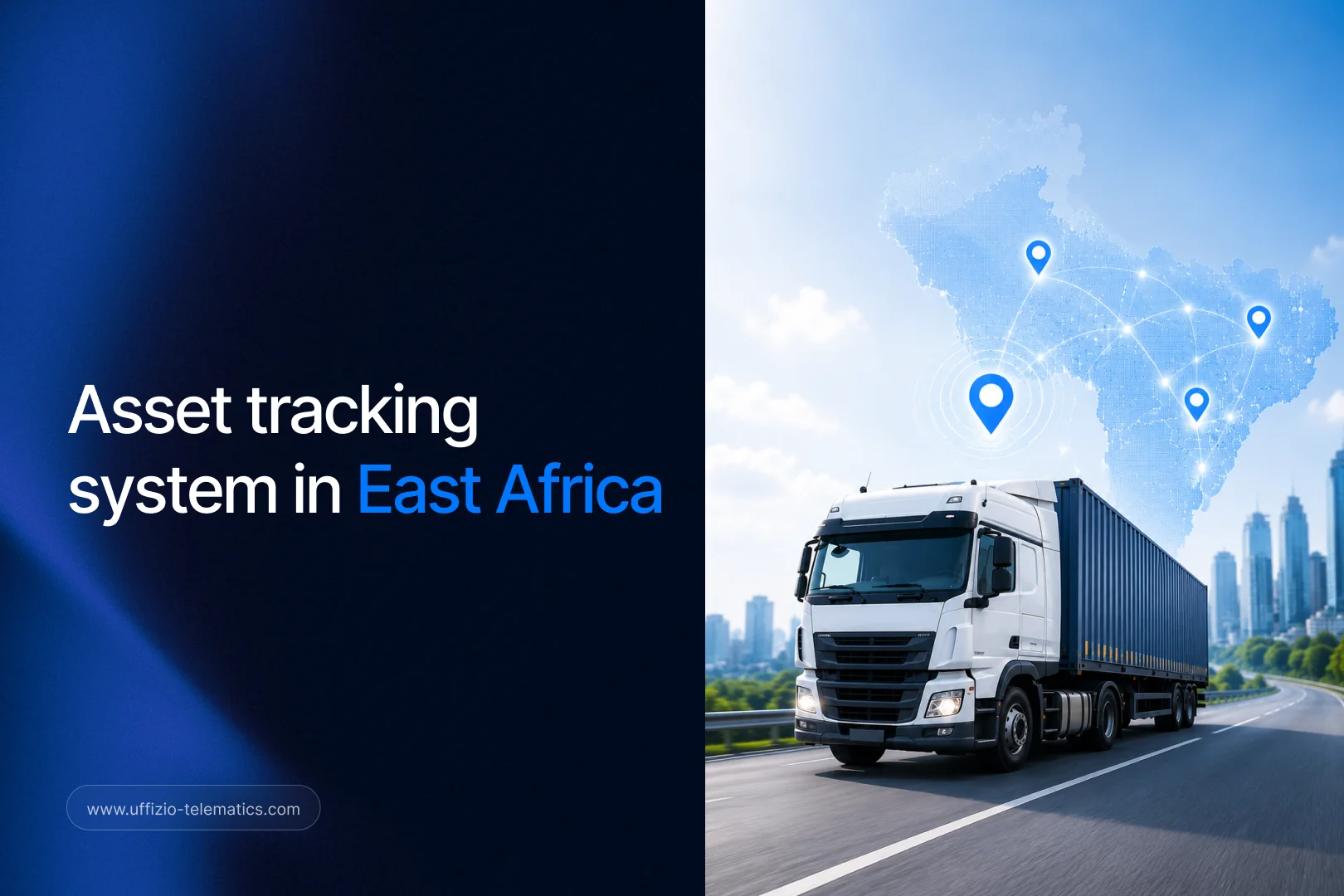
This is why many companies are now investing in an advanced asset tracking system in East Africa to improve operational control and cargo security.
For system integrators and resellers, this creates a strong opportunity to offer modern cargo truck tracking systems that solve real business problems.
In this blog, we will explore why asset tracking solutions are becoming essential in East Africa and how businesses benefit from real-time fleet visibility.
The Growing Need for Asset Tracking in East Africa
East Africa continues to see growth in:
- Logistics and transportation
- Construction
- Mining
- Distribution
- Import/export operations
- FMCG supply chains
As fleet operations expand, businesses need better ways to monitor their assets and cargo trucks in real time.
Manual tracking methods and basic communication systems often create delays and confusion.
Fleet managers may not know:
- Where a cargo truck is located
- Whether goods arrived safely
- If the vehicle deviated from the route
- Why delivery delays happened
- Whether unauthorized stops occurred
This lack of visibility affects customer satisfaction and operational efficiency.
A fleet asset tracking solution helps businesses solve these challenges with real-time monitoring and data-driven insights.
What Is an Asset Tracking System?
An asset tracking system helps businesses monitor the location, movement, and status of vehicles and valuable assets.
The system usually combines:
- GPS tracking devices
- Fleet management software
- Sensors
- Real-time alerts
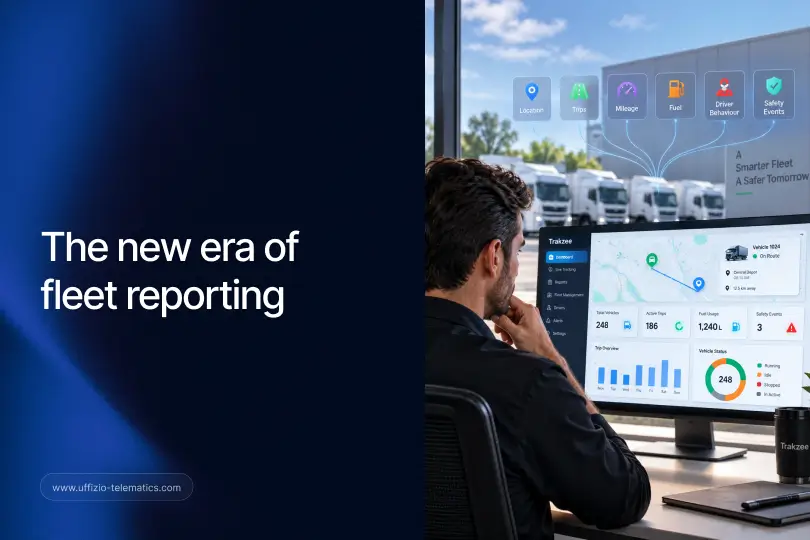
- Reporting dashboards
Businesses can track:
- Cargo trucks
- Containers
- Heavy equipment
- Fleet vehicles
- Mobile assets
This allows operators to manage everything from a centralized platform.
How a Cargo Truck Tracking System Works
A cargo truck tracking system uses GPS technology to provide live vehicle visibility.
Tracking devices installed inside vehicles continuously send location and operational data to the software platform.
Fleet managers can monitor:
- Live vehicle location
- Route history
- Driver activity
- Delivery movement
- Vehicle stoppages
- Travel time
This improves operational transparency across the entire fleet.
Key Features Businesses Look for in a Fleet Asset Tracking Solution
Modern businesses expect more than basic GPS tracking.
They want intelligent systems that improve security, efficiency, and operational control.
Here are some important features driving demand in East Africa.
Real-Time GPS Tracking
Real-time tracking allows businesses to monitor cargo trucks and assets at any time.
Managers can instantly see:
- Current vehicle location
- Delivery progress
- Estimated arrival times
- Route movement
This improves coordination between dispatch teams, drivers, and customers.
Geofencing
Geofencing creates virtual boundaries around specific locations such as:
- Warehouses
- Delivery zones
- Borders
- Restricted areas
If a vehicle enters or exits a defined area, the system automatically sends alerts.
This helps improve:
- Security
- Route compliance
- Delivery monitoring
For cross-border logistics in East Africa, geofencing becomes especially useful.
Route Playback
Route playback helps businesses review vehicle movement history.
Fleet managers can analyze:
- Routes taken
- Unauthorized stops
- Delays
- Idle time
- Route deviations
This helps improve route planning and operational efficiency.
Driver Monitoring
Driver behavior directly impacts fuel costs, safety, and delivery performance.
A modern fleet asset tracking solution can monitor:
- Harsh braking
- Overspeeding
- Excessive idling
- Aggressive driving
These insights help businesses improve driver accountability and fleet safety.
Real-Time Alerts
Instant alerts help businesses respond quickly to operational issues.
Alerts can be configured for:
- Route deviation
- Unauthorized movement
- Overspeeding
- Vehicle stoppage
- Ignition status
- SOS emergencies
Real-time notifications improve decision-making and security.
Fleet Analytics and Reports
Fleet analytics help businesses understand operational performance more clearly.
Managers can generate reports for:
- Vehicle utilization
- Distance traveled
- Driver performance
- Delivery efficiency
- Idle time
- Route performance
These insights support better planning and cost control.
Multi-Device Integration
Many businesses operate mixed fleets with different hardware requirements.
A scalable asset tracking system supports integration with:
- GPS devices
- Fuel sensors
- Dashcams
- Temperature sensors
- RFID systems
- CAN bus devices
This flexibility helps system integrators and resellers serve different customer needs.

Why Cargo Truck Tracking Systems Are Important in East Africa
Cargo movement across East Africa often involves long-distance transportation and cross-border operations.
Without proper visibility, businesses face risks such as:
- Cargo theft
- Delivery delays
- Miscommunication
- Poor asset utilization
- Increased operational costs
A cargo truck tracking system helps businesses improve:
- Fleet visibility
- Delivery accuracy
- Operational efficiency
- Security
- Customer communication
As customer expectations increase, real-time tracking is becoming a business necessity rather than an optional feature.
A Strong Opportunity for System Integrators and Resellers
The demand for asset tracking systems in East Africa continues to grow across industries.
Businesses are actively searching for:
- GPS tracking providers
- Cargo monitoring solutions
- Fleet management platforms
- Telematics solutions
This creates valuable opportunities for system integrators and resellers to:
- Expand service offerings
- Build recurring revenue
- Offer complete fleet visibility solutions
- Enter fast-growing logistics markets
Asset tracking solutions can also be combined with:
- Fuel monitoring
- Video telematics
- Driver safety monitoring
- Fleet maintenance systems
This allows resellers to deliver more value while increasing project size.
Choosing the Right Asset Tracking System
Businesses evaluating tracking solutions usually look for:
- Real-time visibility
- Easy hardware integration
- Scalable software
- User-friendly dashboards
- Reliable alerts and reports
- Technical support
For integrators and resellers, offering a flexible and customizable platform is important for long-term customer success.
Conclusion
Fleet visibility and cargo security are becoming major priorities for businesses across East Africa.
As logistics operations grow more complex, companies need smarter ways to monitor vehicles, cargo trucks, and mobile assets in real time.
This is why the demand for asset tracking systems in East Africa continues to increase.
With features like real-time GPS tracking, geofencing, route playback, driver monitoring, analytics, and multi-device integration, businesses can improve operational efficiency while reducing security risks.
For system integrators and resellers, this is the right time to offer intelligent cargo truck tracking systems that help businesses operate more efficiently in a competitive logistics environment.