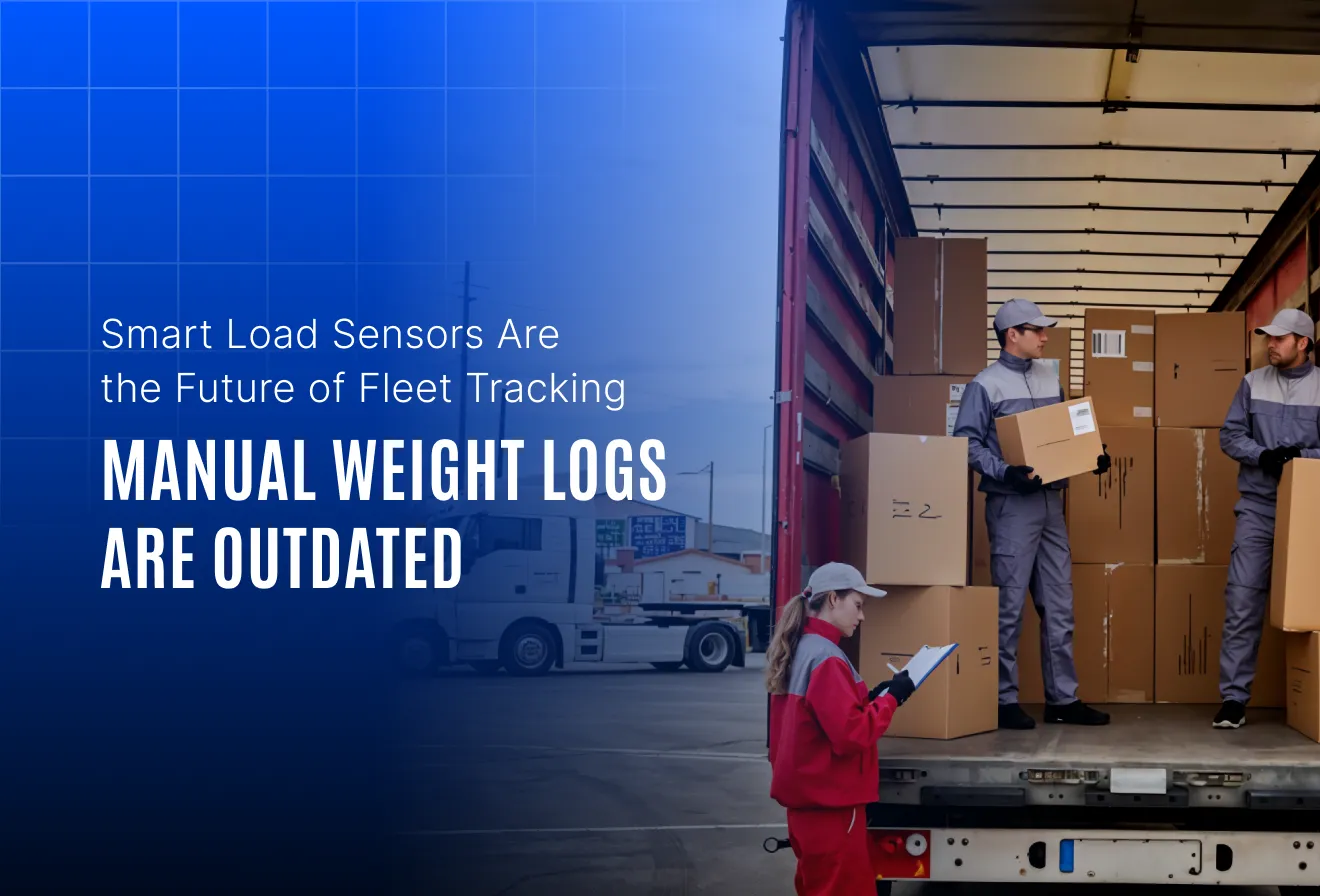
Manual weight logs cost your customers more than they realize fines, wasted fuel, and disputes with clients over billed cargo. Load sensors fix all three, and they’re one of the easiest upsells in your fleet management portfolio.
If your customers still rely on handwritten logs, weighbridge slips, or driver estimates, they’re carrying a hidden cost: inaccurate data. That gap shows up as overloading fines, uneven fuel use, and faster wear on trucks. This guide shows you where that gap costs your customers money, and how to position load sensors as the fix.
The problem with manual load logging
Manual methods like handwritten logs, rough estimates, or weighbridge slips might seem convenient. But they’re vulnerable to:
- Human error in recording and reporting weight
- Inconsistent practices across different drivers and shifts
- No real-time feedback before a truck leaves the yard
- No way to catch overloading until it’s already a fine or an accident.
Even when logs are maintained, by the time they’re reviewed, the vehicle has often already covered the route, possibly overloaded or underutilized.
“We’d only find out about overloading when it was too late after an accident, a fine, or customer complaint. Manual logs just couldn’t keep up with our pace.”
— Fleet Supervisor, East African Mining Firm
What makes load sensors smarter than manual logs?
Load sensors do more than just measure weight they help fleet managers see what’s really happening with each vehicle. Installed on axles or suspension systems, these sensors quietly track how much load a vehicle is carrying at every point in the journey.
This data is sent directly to your fleet platform, so managers can:
- Check live load status from their dashboard
- Get alerts if the load is too much (or too little)
- See where and when loading or unloading took place
- Understand patterns using simple graphs and summaries
Instead of waiting for drivers to fill in load logs or report issues, managers get the full picture as it happens.
Over time, this helps answer important questions like:
- Are vehicles often overloaded before starting a trip?
- Are some trucks underused compared to others?
- Is loading/unloading taking too long at certain sites?
And the best part? You don’t have to read through long reports. The system turns raw data into clear charts and summaries that highlight problems and trends—making it easy to improve efficiency.
For industries like construction or waste management, where loads change frequently, this kind of real-time insight helps make faster, smarter decisions.
Manual logs vs. load sensors: side-by-side
Use this table in client proposals — it’s the clearest way to show the ROI of switching.
| Factor | Manual Logging | With Load Sensors |
|---|---|---|
| Time to log a load | 10+ minutes per trip | Logged automatically, in real time |
| Accuracy | Subjective, inconsistent | Consistently high precision |
| Overloading detection | Found after the trip, often after a fine | Flagged before dispatch |
| Billing transparency | Low — open to disputes | Verifiable, per-trip weight reports |
| Route optimization | Limited — data is delayed and vague | Strong — live weight data feeds route planning |
Case example: A city waste collection fleet that switched from manual to sensor-based logging cut overload-related fines by 70%, sped up operational planning, and produced digital weight logs that satisfied city compliance officers on demand.
Why fleet managers are switching to load sensors
- Real-Time visibility
Know exactly how much load each vehicle is carrying while it’s on the move no waiting for reports or estimations. - Better compliance
Prevent overloading fines and meet legal payload limits. This is especially important in industries like mining, construction, and public transport. - Fuel efficiency gains
Overloaded vehicles burn more fuel and strain engines. Load sensors help optimize trips for weight and distance, improving mileage. - Improved safety
Overloaded trucks have longer braking distances and unstable handling. Staying within limits keeps drivers and others safe. - Asset longevity
Excess load puts more pressure on tyres, suspension, and braking systems. Monitoring weight reduces wear and extends vehicle life.
Why system integrators should offer load sensors
- Expand product portfolio
Position your solutions as complete, intelligent fleet platforms with integrated load monitoring. - High ROI for clients
Clients can measure savings through lower fines, fewer breakdowns, and improved planning—making it easier to retain and upsell. - Integration-Friendly
Load sensors work smoothly with existing GPS, fuel, TPMS, and maintenance tools. - Lead the digital shift
Help clients transition from reactive to proactive load management with real-time alerts, automated reports, and predictive insights.
Industry use cases: Where load sensors make a difference
- Construction
Track weight of cement, sand, and gravel on each trip. Prevent illegal overloading that could damage roads and cost fines.
- Waste collection
Ensure bins are collected at the right fill level. Track load per area to plan smarter pickups and avoid unnecessary trips. - Logistics
Optimize vehicle utilization by balancing load across trips. Verify client billing by actual cargo carried. - Mining
Stay within axle weight limits for on-site safety. Comply with state transport regulations effortlessly.
Supporting data & trends
- A report from the World Road Association (PIARC) found that overloaded vehicles increase road wear by up to 60%.
- The Indian Ministry of Road Transport & Highways introduced mandates on axle weight limits, encouraging real-time load tracking.
- Studies show that fleets using load sensors see up to 15% savings in fuel costs due to better trip planning and reduced vehicle stress.

Summary: Smarter loads, smarter operations
Manual load logs once served their purpose, but modern fleet demands call for smarter solutions. Load sensors are no longer a luxury they’re a necessity. They bring precision, safety, and efficiency to your operations while saving time and money.
Whether you manage city garbage trucks, long-haul trailers, or site dumpers real-time weight data can change how you run your fleet.
Frequently Asked Questions
What are load sensors in fleet management?
Load sensors are devices installed on a vehicle’s axles or suspension that measure cargo weight in real time and send that data to a fleet management platform.
How accurate are load sensors compared to manual weight logs?
Load sensors remove the human error and delay built into manual logs, giving fleet managers real-time, consistent weight data instead of estimates recorded after the fact.
Can load sensors integrate with existing GPS fleet software?
Yes. Load sensors are designed to work alongside GPS tracking, fuel monitoring, and TPMS systems already installed on a vehicle.
Do load sensors help with overloading fines?
Yes. Because they alert fleet managers before dispatch, load sensors let a business catch and fix overloading before a vehicle leaves the yard, rather than after a fine is issued.
Why should resellers add load sensors to their fleet management offering?
Load sensors solve a cost problem customers already have fines, fuel waste, and billing disputes making them an easy upsell into an existing fleet management deal rather than a new pitch.