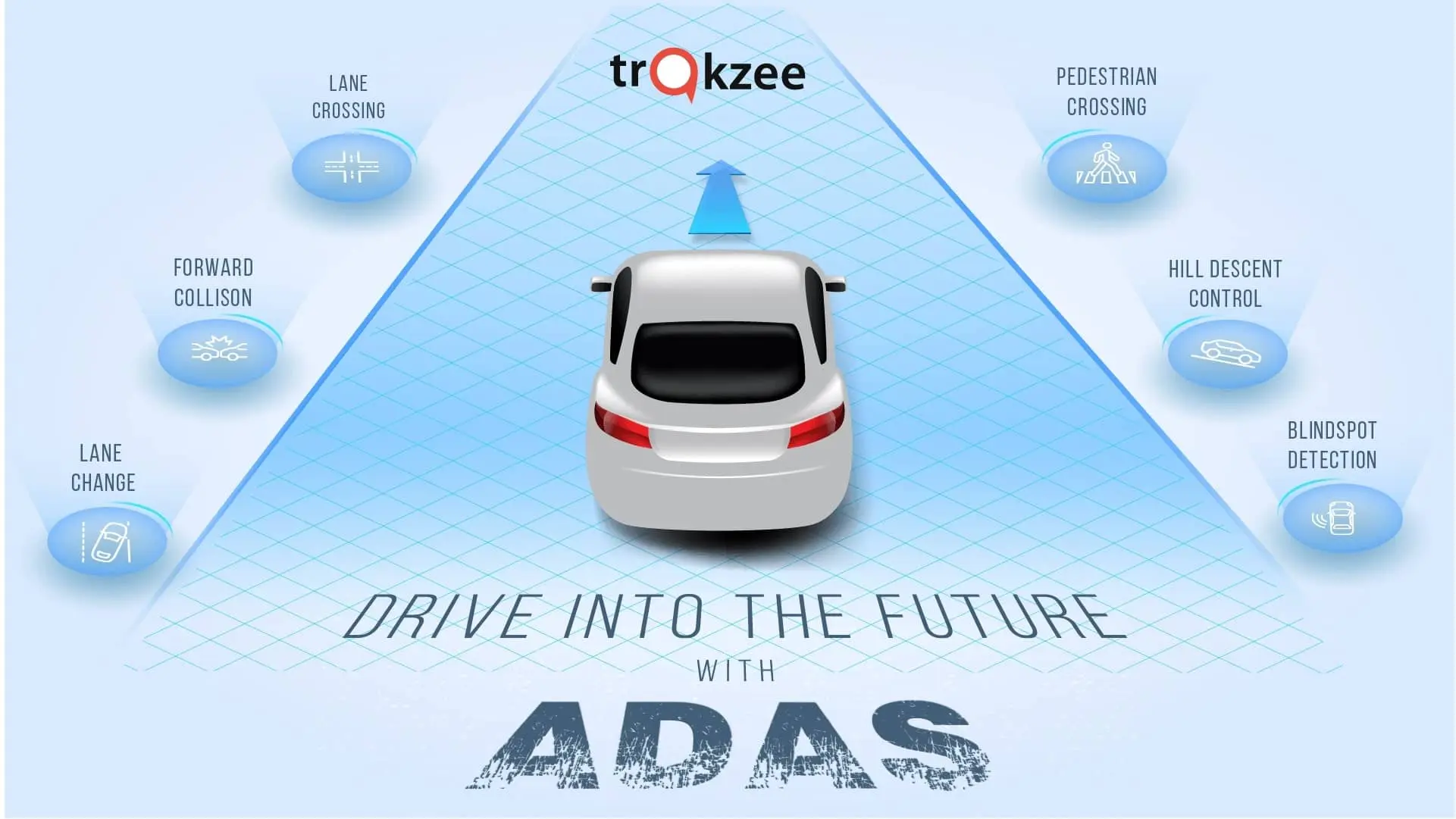
What Is ADAS? A Guide for Fleet Tracking Resellers
More fleet owners are asking their vendors for ADAS. If you resell fleet tracking software, you need a simple answer ready. This guide gives you one.
What Does ADAS Mean?
ADAS stands for Advanced Driver Assistance Systems. It’s a set of safety features built from sensors and cameras. These features warn drivers or take action to prevent accidents. Fleet owners buy ADAS to cut down on accidents. Fewer accidents means lower insurance costs and less vehicle downtime. That’s the pitch your clients care about.
The Core ADAS Features You’ll Be Asked About
Adaptive Cruise Control (ACC) Keeps a safe gap from the vehicle ahead. Adjusts speed automatically.
Lane Departure Warning (LDW) Alerts the driver when the vehicle drifts out of its lane.
Automatic Emergency Braking (AEB) Applies the brakes automatically if a crash is about to happen.
Blind Spot Detection (BSD) Warns the driver when another vehicle is in a blind spot.
Each of these maps to a real cost problem for your client: accident claims, insurance premiums, or driver liability. Lead with the cost angle when you pitch this.
Why Resellers Should Add ADAS to Their Offer
Higher deal value. ADAS-ready hardware and software costs more than basic GPS tracking. This raises your average deal size.
Stickier contracts. Safety features tied to insurance savings are hard for a client to walk away from. This improves your renewal rate.
A stronger pitch against competitors. Not every fleet tracking vendor offers ADAS integration. This gives you something clear to say when a prospect is comparing vendors.
Improved Safety
The primary benefit of ADAS is improved safety. These systems are designed to help drivers avoid accidents and minimize the impact of collisions. For example, AEB can help prevent rear-end collisions, while LDW can help avoid lane departure accidents. By using ADAS, drivers can reduce the risk of accidents and keep themselves and others on the road safe.
Better Driving Behavior
ADAS can also help improve your driving behavior. For example, ACC can help you maintain a safe distance from the vehicle in front of you, reducing the likelihood of tailgating or aggressive driving. LDW can help you stay centered on the road, reducing the likelihood of weaving or swerving. By using ADAS, drivers can develop safer driving habits and become more aware of their surroundings.
Increased Awareness
Another benefit of ADAS is increased awareness. These systems can alert you to potential hazards you might not have noticed, such as a vehicle in your blind spot or an obstacle in the road. By using ADAS, drivers can become more aware of their surroundings and be better equipped to make quick, informed decisions.
Reduced Stress
Driving can be stressful, especially in heavy traffic or on long trips. ADAS can help reduce stress by taking some of the burdens off of the driver. For example, ACC can help you maintain a consistent speed on the highway, reducing the need to adjust your speed constantly. By using ADAS, drivers can enjoy a more relaxed, less stressful driving experience.
Increased Confidence
Finally, ADAS can help increase driver confidence. These systems can help drivers feel more confident behind the wheel by providing alerts and assistance when needed. This increased confidence can lead to safer driving habits and a more positive overall driving experience.
Parking lane departure warning
Parking lane departure warning is a feature of Advanced Driver Assistance Systems (ADAS) designed to help drivers when parking their vehicles. The system uses sensors such as cameras and ultrasonic sensors to detect the proximity of other vehicles, obstacles, and road markings
When the system detects that the vehicle is about to cross a lane marking or approach an obstacle, it alerts the driver with a warning signal such as a beep, a vibration, or a visual display on the dashboard or rearview mirror. This can help drivers avoid collisions, particularly in crowded parking lots or tight spaces.
Lane departure warning systems work similarly but are designed for use while driving. They detect when the vehicle is drifting out of its lane and provide a warning to the driver through a sound or visual alert to help them stay in their lane and avoid collisions.
ADAS isn’t just a safety feature to explain. It’s a business case: lower claims, lower premiums, bigger deals, and stickier clients. Sell it that way, not as a tech spec.
How to Position ADAS When You’re Selling
Don’t lead with the tech. Lead with the business outcome.
Instead of “this includes lane departure warning,” say: “this cuts lane-drift accidents, which lowers your claims and your premiums.”
Fleet managers don’t buy sensors. They buy fewer accidents, lower costs, and safer drivers.
What is adaptive cruise control in ADAS?
Adaptive cruise control (ACC) is a feature of Advanced Driver Assistance Systems (ADAS) that helps drivers maintain a safe distance from the vehicle in front of them while driving.
ACC uses sensors, such as radar or lidar, to detect the distance and speed of the vehicle ahead. The system then adjusts the speed of the driver’s vehicle to maintain a safe following distance.
If the vehicle ahead slows down or comes to a stop, ACC will also slow down or bring the driver’s vehicle to a complete stop if necessary. Once the vehicle ahead accelerates or moves out of the way, ACC will resume the set speed, up to the maximum set by the driver.
Some ACC systems also incorporate lane-keeping assistance, which helps keep the vehicle in its lane by making small steering adjustments, and automatic emergency braking, which can apply the brakes to avoid a collision with a vehicle or obstacle ahead.
ACC can reduce driver fatigue, improve safety, and increase fuel efficiency by maintaining a more consistent speed and reducing the need for sudden braking or acceleration.
What is Collision avoidance in ADAS?
Collision avoidance is a feature of Advanced Driver Assistance Systems (ADAS) that is designed to help drivers avoid collisions with other vehicles, pedestrians, or obstacles.
Collision avoidance systems use a combination of sensors such as cameras, radar, and lidar to detect potential collisions or hazards. When a potential collision is detected, the system alerts the driver with a warning signal, such as an audible alarm, a visual display on the dashboard, or a vibration in the steering wheel or seat.
Some collision avoidance systems can also take automatic action to avoid a collision, such as applying the brakes or steering the vehicle away from the obstacle.
Different collision avoidance systems include forward collision warning, automatic emergency braking, and pedestrian detection. Forward collision warning alerts the driver when the vehicle approaches another vehicle too quickly, while automatic emergency braking can automatically apply the brakes to avoid a collision. Pedestrian detection can detect pedestrians in the vehicle’s path, alert the driver, or take automatic action to avoid a collision.
Collision avoidance systems are designed to improve driver safety, reduce accidents, and potentially save lives.
What is Blind Spot Detection in ADAS?
Blind Spot Detection (BSD) is an Advanced Driver Assistance Systems (ADAS) feature that helps drivers detect and avoid collisions when changing lanes or merging into traffic.
BSD uses sensors, such as radar or cameras, to monitor the area around the vehicle, including the blind spot zones to the sides and rear of the vehicle. When a vehicle or object is detected in the blind spot, the system alerts the driver with a visual or audible warning signal, such as a light on the side mirror, a warning on the dashboard, or a beep or vibration
BSD can also help drivers avoid collisions when backing up or parking by detecting vehicles or obstacles in the vehicle’s rear that may not be visible to the driver.
Some BSD systems also include Rear Cross Traffic Alert, which can detect vehicles approaching from the sides when backing out of a parking space or driveway and alert the driver to avoid a collision.
BSD can improve driver awareness and reduce the risk of collisions, particularly when changing lanes or merging into traffic on busy highways or in crowded urban areas.
Frequently Asked Questions
What is ADAS in fleet management?
ADAS is a set of safety features – like automatic braking and lane warnings – that fleet vehicles use to prevent accidents and reduce driver risk.
Why should a GPS tracking reseller offer ADAS?
ADAS increases deal value, improves contract retention, and gives resellers a stronger point of difference against competitors who only offer basic tracking.
Does ADAS reduce fleet insurance costs?
Yes. Fewer accidents and lower claims from ADAS-equipped vehicles often lead insurers to offer reduced premiums to fleet operators.
What ADAS features matter most for fleet resale deals?
Automatic Emergency Braking and Lane Departure Warning are the two features fleet buyers ask about most, since both directly reduce accident risk.
Conclusion:
In conclusion, ADAS is a powerful tool for improving driver safety, behavior, awareness, and confidence. By using these systems, drivers can reduce the risk of accidents, develop safer driving habits, and enjoy a more relaxed, stress-free driving experience if you’re in the market for a new vehicle.