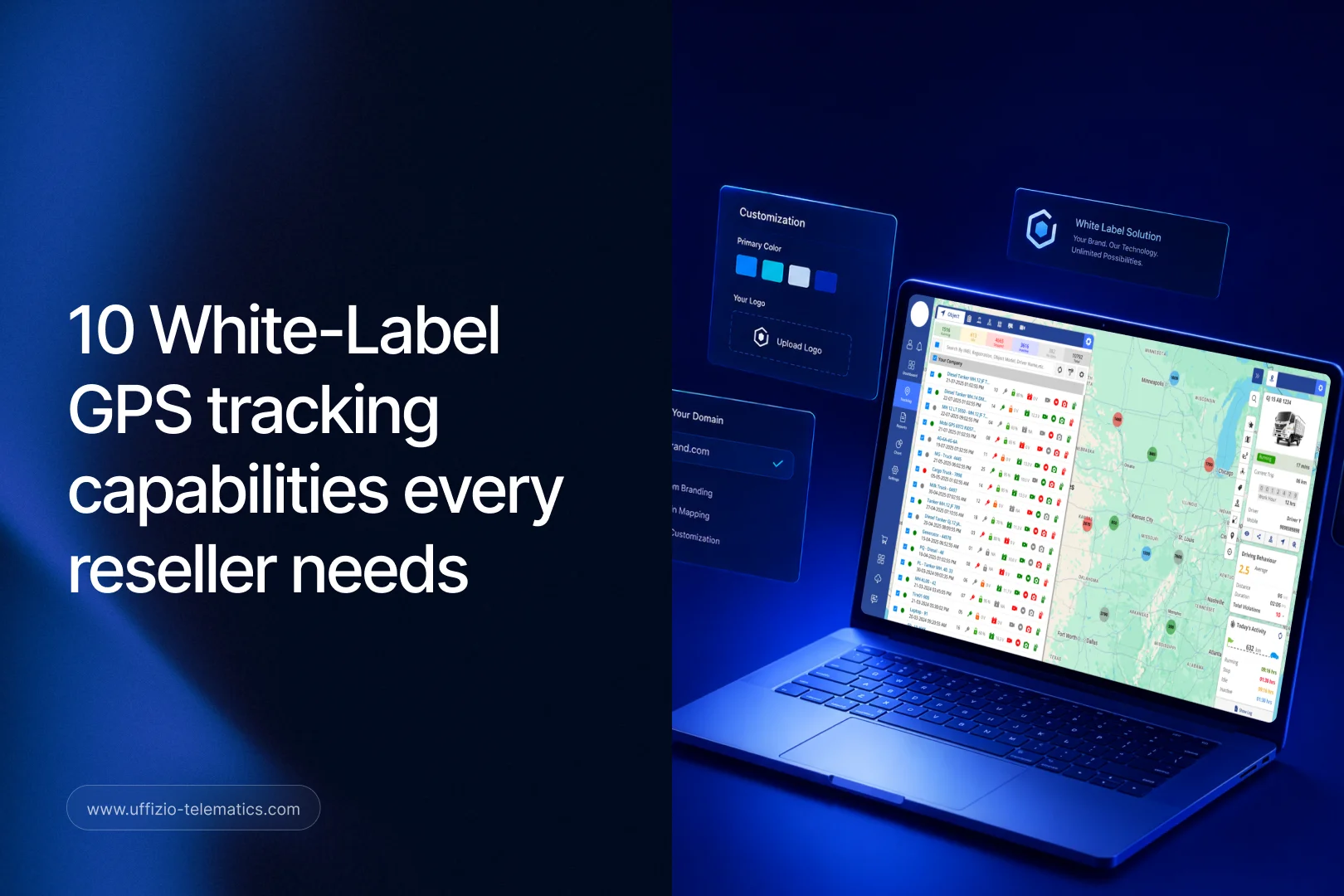
อุตสาหกรรมระบบติดตามด้วย GPS กำลังเติบโตอย่างรวดเร็ว ธุรกิจต่างๆ ในด้านโลจิสติกส์ การขนส่ง การก่อสร้าง ความปลอดภัยสาธารณะ การจัดส่ง และการสัญจร ต่างพึ่งพาเทคโนโลยีการติดตามในทุกๆ วัน
การเติบโตนี้ได้สร้างโอกาสสำคัญสำหรับผู้ค้าปลีก ผู้รวมระบบ ผู้จัดจำหน่าย และผู้ให้บริการ SaaS
แต่การเข้าสู่ตลาดไม่ได้หมายถึงแค่การนำเสนอระบบติดตาม GPS พื้นฐานอีกต่อไปแล้ว ลูกค้าในปัจจุบันคาดหวังคุณสมบัติขั้นสูง การเข้าถึงผ่านมือถือ ระบบอัตโนมัติ การวิเคราะห์ข้อมูล และประสบการณ์ที่สร้างแบรนด์ได้
ด้วยเหตุนี้ การเลือกซอฟต์แวร์ติดตาม GPS แบบไวท์เลเบลที่เหมาะสมจึงมีความสำคัญ
แพลตฟอร์มไวท์เลเบลที่แข็งแกร่งช่วยให้ผู้ค้าปลีกสามารถเปิดตัวได้เร็วขึ้น สร้างแบรนด์ของตนเอง ให้บริการในหลากหลายอุตสาหกรรม และขยายธุรกิจไปทั่วโลกโดยไม่ต้องพัฒนาซอฟต์แวร์ตั้งแต่เริ่มต้น
ในบทความนี้ เราจะสำรวจคุณสมบัติที่สำคัญที่สุด 10 ประการที่ตัวแทนจำหน่ายทุกรายควรพิจารณาในโซลูชันติดตามยานพาหนะแบบไวท์เลเบลที่ทันสมัย
1. การสร้างแบรนด์แบบกำหนดเองอย่างครบวงจร
เอกลักษณ์ของแบรนด์มีบทบาทสำคัญอย่างยิ่งต่อความไว้วางใจของลูกค้า
ลูกค้าของคุณควรได้เห็น ของคุณ ชื่อบริษัท โลโก้ สี และโดเมน ไม่ใช่แบรนด์ของผู้ให้บริการซอฟต์แวร์
แพลตฟอร์มติดตาม GPS แบบไวท์เลเบลที่ดีควรมีคุณสมบัติดังต่อไปนี้:
- โลโก้แบบกำหนดเอง
- URL เว็บส่วนบุคคล
- แอปมือถือแบรนด์เนม
- หน้าเข้าสู่ระบบแบบกำหนดเอง
- รายงานและการแจ้งเตือนแบบไวท์เลเบล
สิ่งนี้ช่วยให้ผู้ค้าปลีกสามารถวางตำแหน่งตัวเองในฐานะผู้ให้บริการเทคโนโลยีแบบครบวงจร แทนที่จะเป็นเพียงตัวกลางด้านซอฟต์แวร์
นอกจากนี้ยังสร้างความภักดีของลูกค้าในระยะยาวอีกด้วย
2. รองรับอุปกรณ์ได้หลากหลาย
หนึ่งในความท้าทายที่ใหญ่ที่สุดสำหรับผู้ค้าปลีกคือการจัดการกับอุปกรณ์ GPS ที่หลากหลายจากผู้ผลิตหลายราย
ซอฟต์แวร์ติดตามตำแหน่ง GPS ที่น่าเชื่อถือควรสนับสนุนอุปกรณ์และโปรโตคอลที่หลากหลาย
สิ่งนี้ช่วยให้ผู้ค้าปลีกมีความยืดหยุ่นมากขึ้นในการให้บริการแก่กลุ่มอุตสาหกรรมต่างๆ เช่น:
- การจัดการยานพาหนะ
- โลจิสติกส์ห่วงโซ่ความเย็น
- การขนส่งเชื้อเพลิง
- การจัดการขยะ
- รถโรงเรียน
- อุปกรณ์ก่อสร้าง
- รถเช่า
ยิ่งอุปกรณ์รองรับได้หลากหลายมากเท่าไหร่ การรับลูกค้าใหม่ก็จะยิ่งง่ายขึ้นและรวดเร็วขึ้นเท่านั้น

3. แอปพลิเคชันบนมือถือสำหรับ Android และ iOS
ลูกค้าในปัจจุบันคาดหวังว่าจะสามารถเข้าถึงข้อมูลการติดตามได้จากทุกที่
แอปพลิเคชันบนมือถือไม่ใช่สิ่งที่ไม่จำเป็นอีกต่อไปแล้ว
แพลตฟอร์มติดตามตำแหน่งด้วย GPS ที่ทันสมัยควรมีคุณสมบัติดังต่อไปนี้:
- แอป Android และ iOS
- การติดตามแบบเรียลไทม์
- การแจ้งเตือนแบบพุช
- การเล่นเส้นทาง
- การตรวจสอบผู้ขับขี่
- รายงานเกี่ยวกับอุปกรณ์เคลื่อนที่
สำหรับผู้ค้าปลีก แอปพลิเคชันบนมือถือช่วยเพิ่มความพึงพอใจของลูกค้าและทำให้แพลตฟอร์มมีความสามารถในการแข่งขันมากขึ้น
แอปพลิเคชันมือถือแบบไวท์เลเบลยิ่งมีคุณค่ามากขึ้น เพราะช่วยเสริมสร้างการรับรู้แบรนด์ให้แข็งแกร่งขึ้นทุกวัน
4. รองรับหลายภาษา
ธุรกิจติดตามด้วย GPS เป็นธุรกิจระดับโลก
ตัวแทนจำหน่ายมักให้บริการลูกค้าในประเทศและภูมิภาคต่างๆ อุปสรรคทางภาษาอาจทำให้การใช้งานและการสนับสนุนลูกค้าช้าลง
ด้วยเหตุนี้ ความสามารถในการรองรับหลายภาษาจึงมีความสำคัญอย่างยิ่ง
โซลูชันติดตามยานพาหนะแบบไวท์เลเบลที่มีประสิทธิภาพควรรองรับสิ่งต่อไปนี้:
- หลายภาษา
- รูปแบบระดับภูมิภาค
- เขตเวลาท้องถิ่น
- รองรับหลายสกุลเงิน
สิ่งนี้ช่วยให้ผู้ค้าปลีกสามารถขยายตลาดไปยังต่างประเทศได้ง่ายขึ้นโดยไม่ทำให้การดำเนินงานซับซ้อนขึ้น
5. การสนับสนุน API และการผสานรวมกับระบบภายนอก
ปัจจุบันธุรกิจต่างๆ ใช้ระบบซอฟต์แวร์หลายระบบร่วมกัน
ลูกค้าอาจต้องการเชื่อมต่อระบบติดตาม GPS กับอุปกรณ์ต่อไปนี้:
- แพลตฟอร์ม ERP
- เซ็นเซอร์วัดระดับน้ำมันเชื้อเพลิง
- ระบบ CRM
- ระบบเทเลเมติกส์วิดีโอ
- ซอฟต์แวร์การจัดส่ง
- แพลตฟอร์ม IoT
- ระบบการบำรุงรักษา
API แบบเปิดทำให้การผสานรวมเหล่านี้เป็นไปได้
สำหรับผู้รวมระบบโดยเฉพาะ ความยืดหยุ่นของ API ถือเป็นข้อได้เปรียบที่สำคัญ เนื่องจากช่วยให้พวกเขาสามารถสร้างโซลูชันที่ปรับแต่งได้สำหรับลูกค้าระดับองค์กร
ยิ่งแพลตฟอร์มมีความพร้อมสำหรับการบูรณาการมากเท่าไร ตัวแทนจำหน่ายก็ยิ่งสามารถเข้าถึงกลุ่มอุตสาหกรรมได้มากขึ้นเท่านั้น
6. ความสามารถในการตรวจสอบปริมาณเชื้อเพลิง
ค่าใช้จ่ายด้านเชื้อเพลิงเป็นหนึ่งในค่าใช้จ่ายในการดำเนินงานที่สูงที่สุดสำหรับธุรกิจขนส่งสินค้า
ด้วยเหตุนี้ การตรวจสอบปริมาณน้ำมันเชื้อเพลิงจึงกลายเป็นคุณสมบัติที่ได้รับความนิยมอย่างมากในซอฟต์แวร์ติดตามตำแหน่ง GPS สมัยใหม่
แพลตฟอร์มที่ทันสมัยควรช่วยผู้ใช้ในด้านต่างๆ ดังนี้:
- ตรวจสอบอัตราการสิ้นเปลืองเชื้อเพลิง
- ตรวจจับการขโมยเชื้อเพลิง
- วิเคราะห์ประสิทธิภาพการใช้เชื้อเพลิง
- กิจกรรมการเติมเชื้อเพลิงตามเส้นทาง
- ปรับพฤติกรรมการขับขี่ให้เหมาะสม
คุณสมบัตินี้เพิ่มมูลค่าทางธุรกิจที่วัดผลได้ให้กับลูกค้า และมอบจุดขายที่แข็งแกร่งยิ่งขึ้นให้กับผู้ค้าปลีก
อุตสาหกรรมต่างๆ เช่น โลจิสติกส์ เหมืองแร่ การขนส่ง และเครื่องจักรกลหนัก ได้รับประโยชน์อย่างมากจากเครื่องมือตรวจสอบปริมาณเชื้อเพลิง
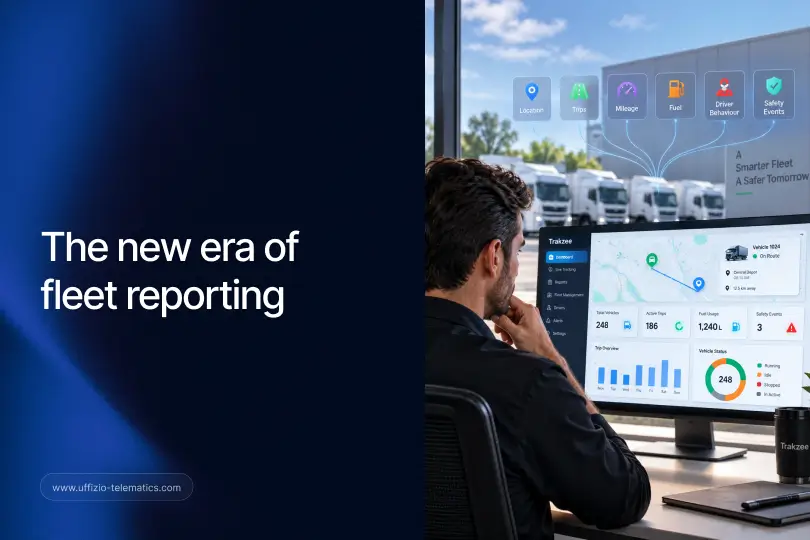
7. รายงานและการวิเคราะห์ที่ขับเคลื่อนด้วย AI
ข้อมูลอย่างเดียวไม่เพียงพออีกต่อไปแล้ว
ธุรกิจต่างๆ ต้องการข้อมูลเชิงลึกที่สามารถนำไปใช้ได้จริง
แพลตฟอร์มติดตามตำแหน่ง GPS สมัยใหม่กำลังใช้การวิเคราะห์ข้อมูลที่ขับเคลื่อนด้วย AI มากขึ้นเรื่อยๆ เพื่อช่วยเหลือลูกค้า:
- เพิ่มประสิทธิภาพการจัดการกองยานพาหนะ
- ลดระยะเวลาที่ไม่ได้ใช้งาน
- ตรวจสอบพฤติกรรมของผู้ขับขี่
- คาดการณ์ปัญหาการบำรุงรักษา
- วิเคราะห์ประสิทธิภาพเส้นทาง
- ปรับปรุงการวางแผนการดำเนินงาน
สำหรับผู้ค้าปลีก ความสามารถในการรายงานขั้นสูงช่วยเพิ่มการรักษาฐานลูกค้า เนื่องจากธุรกิจต่างๆ อาศัยข้อมูลเชิงลึกที่นำไปใช้ได้จริงในทุกๆ วัน
แดชบอร์ดที่อ่านง่ายและรายงานอัตโนมัติยังช่วยลดคำขอรับการสนับสนุนและเวลาในการฝึกอบรมอีกด้วย
8. การสนับสนุนระบบเทเลเมติกส์ผ่านวิดีโอ
ระบบเทเลเมติกส์วิดีโอ กำลังกลายเป็นหนึ่งในสาขาที่มีการเติบโตเร็วที่สุดในด้านการจัดการยานพาหนะ
ด้วยการผสานข้อมูล GPS เข้ากับภาพวิดีโอ ธุรกิจต่างๆ สามารถปรับปรุงสิ่งต่อไปนี้ได้:
- ความปลอดภัยของผู้ขับขี่
- การสอบสวนอุบัติเหตุ
- การเรียกร้องค่าสินไหมทดแทนประกันภัย
- การรักษาความปลอดภัยของยานพาหนะ
- การตรวจสอบการปฏิบัติตามกฎระเบียบ
โซลูชันติดตามยานพาหนะแบบไวท์เลเบลที่รองรับระบบเทเลเมติกส์วิดีโอ ช่วยให้ตัวแทนจำหน่ายสามารถเจาะกลุ่มลูกค้าที่มีมูลค่าสูงและกลุ่มยานพาหนะขององค์กรได้
นอกจากนี้ยังช่วยสร้างโอกาสในการสร้างรายได้ใหม่ ๆ ผ่านบริการระดับพรีเมียมอีกด้วย
9. การเรียกเก็บเงินและการจัดการการสมัครสมาชิก
เมื่อธุรกิจตัวแทนจำหน่ายเติบโตขึ้น การจัดการลูกค้าด้วยตนเองก็จะกลายเป็นเรื่องยาก
เครื่องมือการเรียกเก็บเงินแบบในตัวสามารถช่วยประหยัดเวลาและความพยายามในการดำเนินงานได้อย่างมาก
แพลตฟอร์มที่เป็นมิตรกับผู้ค้าปลีกควรมีคุณสมบัติดังต่อไปนี้:
- การจัดการการสมัครสมาชิก
- การควบคุมบัญชีลูกค้า
- การวางแผนการจัดการ
- การออกใบแจ้งหนี้อัตโนมัติ
- การติดตามการใช้งาน
ฟังก์ชันนี้มีประโยชน์อย่างยิ่งสำหรับผู้ให้บริการ SaaS และผู้จัดจำหน่ายรายใหญ่ที่บริหารจัดการลูกค้าจำนวนมากในหลายภูมิภาค
ระบบอัตโนมัติช่วยให้ตัวแทนจำหน่ายสามารถขยายธุรกิจได้อย่างมีประสิทธิภาพมากขึ้น
10. โครงสร้างพื้นฐานคลาวด์ที่ปรับขนาดได้
การเติบโตเป็นไปไม่ได้หากปราศจากความสามารถในการขยายขนาด
แพลตฟอร์มติดตามด้วย GPS ต้องรองรับจำนวนข้อมูลที่เพิ่มขึ้นเรื่อยๆ ดังนี้:
- ยานพาหนะ
- ผู้ใช้
- จุดข้อมูล
- การแจ้งเตือน
- รายงาน
- วิดีโอสตรีม
โครงสร้างพื้นฐานบนระบบคลาวด์ช่วยให้มั่นใจได้ว่า:
- อัตราการทำงานสูง
- ประสิทธิภาพที่เร็วขึ้น
- การเข้าถึงทั่วโลก
- ระบบรักษาความปลอดภัยที่ดีขึ้น
- การอัปเดตที่ง่ายขึ้น
สำหรับผู้ค้าปลีกที่วางแผนการเติบโตในระยะยาว ความสามารถในการขยายขนาดควรเป็นปัจจัยสำคัญอันดับต้นๆ ในการประเมิน
การเลือกแพลตฟอร์มที่ไม่เหมาะสมตั้งแต่แรก อาจก่อให้เกิดข้อจำกัดที่สำคัญในภายหลังได้
วิธีเลือกแพลตฟอร์มติดตาม GPS แบบ White-Label ที่เหมาะสม
ไม่ใช่ทุกแพลตฟอร์มที่ออกแบบมาสำหรับผู้ค้าปลีก
ก่อนเลือกผู้ให้บริการ โปรดประเมินในด้านเหล่านี้อย่างรอบคอบ:
- ความเข้ากันได้ของอุปกรณ์
- ความยืดหยุ่นของแบรนด์
- ความพร้อมใช้งานของแอปพลิเคชันบนมือถือ
- การสนับสนุน API
- ความสามารถในการรายงาน
- ฝ่ายบริการลูกค้า
- ความสามารถในการปรับขนาด
- ความปลอดภัย
- คุณสมบัติเฉพาะอุตสาหกรรม
นอกจากนี้ ควรพิจารณาด้วยว่าผู้ให้บริการรายนั้นสามารถนำเทคโนโลยีใหม่และการอัปเดตมาใช้ได้เร็วแค่ไหน
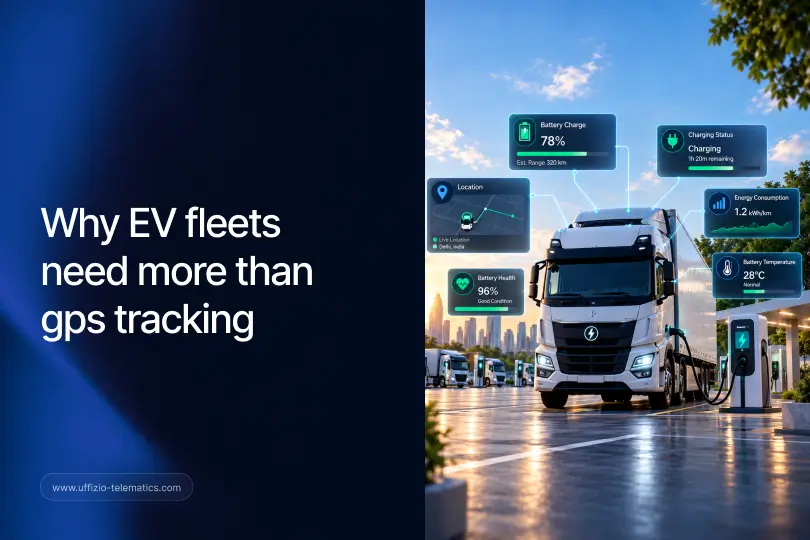
ตลาดระบบติดตามด้วย GPS ยังคงพัฒนาอย่างรวดเร็ว โดยเทคโนโลยี AI, IoT, การตรวจสอบรถยนต์ไฟฟ้า และระบบติดตามวิดีโอมีความสำคัญเพิ่มมากขึ้นเรื่อยๆ
แพลตฟอร์มที่พร้อมรับมือกับอนาคตจะช่วยให้ผู้ค้าปลีกสามารถรักษาความสามารถในการแข่งขันได้

ข้อคิดส่งท้าย
อุตสาหกรรมระบบติดตามด้วย GPS มอบโอกาสมหาศาลให้กับผู้ค้าปลีกทั่วโลก
แต่ความสำเร็จขึ้นอยู่กับการเลือกแพลตฟอร์มที่เหนือกว่าการติดตามขั้นพื้นฐาน
ตั้งแต่การสร้างแบรนด์เฉพาะบุคคลและแอปพลิเคชันบนมือถือ ไปจนถึงรายงาน AI การตรวจสอบการใช้เชื้อเพลิง และระบบติดตามวิดีโอ ลูกค้ายุคใหม่คาดหวังโซลูชันที่ครบวงจร
แพลตฟอร์มซอฟต์แวร์ติดตาม GPS แบบไวท์เลเบลที่มีประสิทธิภาพ ช่วยให้ตัวแทนจำหน่ายสามารถตอบสนองความคาดหวังเหล่านั้นได้ ในขณะเดียวกันก็สร้างแบรนด์ของตนเองและเพิ่มรายได้ประจำอย่างต่อเนื่อง
ยิ่งคุณมีศักยภาพมากเท่าไหร่ การขยายธุรกิจไปทั่วโลกก็จะยิ่งง่ายขึ้นเท่านั้น