Um veículo passou pela rua. O GPS confirma.
Mas o contentor foi realmente esvaziado? A recolha foi concluída? Pode provar isso?
Esta é uma questão bem diferente, e para as empresas de recolha de lixo, é uma questão que surge com mais frequência do que deveria.
O Problema da Prova na Recolha de Resíduos
Os municípios e os prestadores de serviços de recolha de resíduos operam sob rigorosos acordos de nível de serviço (SLAs). Os SLA definem quais os locais que devem ser atendidos, com que frequência e dentro de que prazos.
Quando surge uma queixa sobre um lixo não recolhido, uma rua sem serviço de recolha ou uma recolha contestada, alguém precisa de provar o que aconteceu. Ou o que não aconteceu.
Tradicionalmente, os operadores dependem de dados de GPS. Consultam a rota do veículo. Mostram que passou pelo local. Caso encerrado.
Só que nem sempre é assim tão simples.
Porque é que o GPS por si só não é suficiente
O rastreamento por GPS informa por onde passou um veículo. Nem sempre informa o que o veículo fez em cada paragem.
Um veículo pode atravessar uma rua sem parar. Pode entrar numa cerca virtual sem concluir a recolha. Pode registar uma visita a um local sem que a equipa faça realmente a recolha da lixeira.
As passagens de geocercas e as posições de GPS fornecem dados de movimento. Não fornecem dados de atividade.
É nesta lacuna que surgem as disputas. Um morador alega que a papeleira não foi esvaziada. O operador mostra o registo da rota. Nenhuma das partes possui provas claras do que realmente aconteceu no local.
Este é um problema real de responsabilização, especialmente para contratos municipais regidos por SLAs (Service Level Agreements), onde a falta de cobrança acarreta penalizações financeiras.
Como a SmartWaste utiliza o comportamento de ralenti como evidência de serviço
A SmartWaste utiliza agora o tempo de inatividade dos veículos como um indicador adicional da atividade de serviço real.
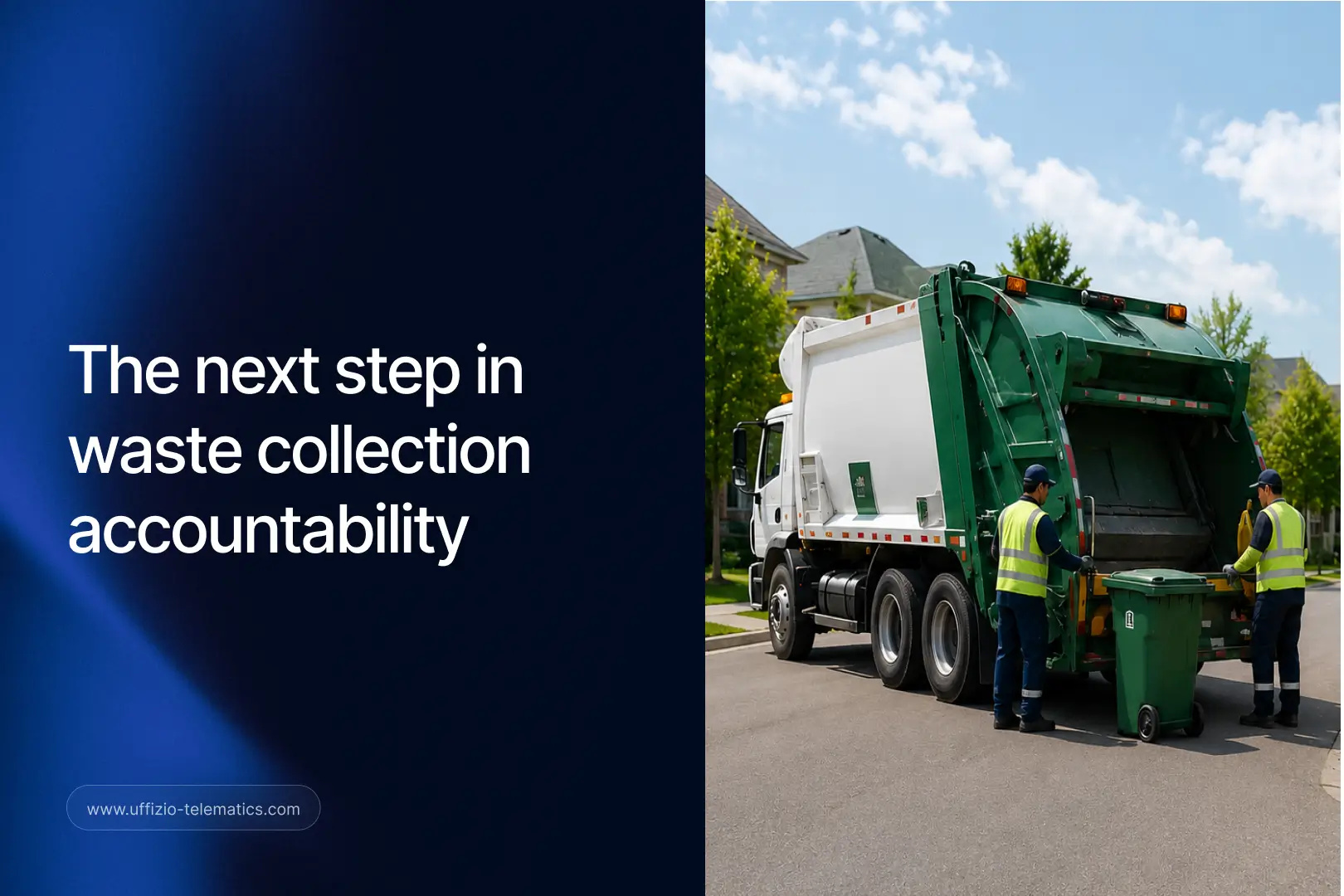
A lógica é a seguinte: quando um camião de recolha de lixo pára num local para esvaziar os contentores, permanece parado durante um período de tempo. A equipa sai. As papeleiras são recolhidas. O veículo não se move.
Este período de inatividade é um sinal comportamental. Sugere que algo de significativo aconteceu naquele local, e não apenas uma passagem rápida.
A criação de tarefas baseada na reprodução de dados do SmartWaste suporta agora o mapeamento de pontos de inatividade. Ao analisar os dados de reprodução do veículo, o sistema identifica os locais onde o veículo permaneceu inativo. Em seguida, utiliza estes pontos de inatividade para gerar endereços de recolha e pontos de verificação.
Isto significa que os registos de trabalho e de serviço podem ser construídos a partir do comportamento real da recolha, e não apenas de padrões de movimento ou eventos de geolocalização.
Como é que isso se traduz na prática
Um operador analisa a reprodução da gravação de um veículo de recolha do dia anterior.
O sistema identifica dez locais onde o veículo esteve inativo durante um período significativo. Estes pontos são mapeados como endereços de recolha. Os pontos de verificação são criados com base no local onde a atividade de serviço real parece ter ocorrido.
Se houver uma reclamação sobre uma recolha não realizada, o operador pode verificar se o endereço aparece como um ponto ocioso na reprodução das gravações. Se aparecer, há evidências de que o veículo parou e provavelmente realizou a recolha no local. Caso contrário, a equipa saberá exatamente onde ocorreu a falha.
Isto não substitui os dados de GPS. Adiciona uma camada de provas baseadas em atividades sobre os mesmos.
Por que isso é importante para integradores de sistemas
Se desenvolve soluções de gestão de resíduos para clientes municipais ou privados, a comprovação da prestação do serviço é um problema recorrente.
Os seus clientes recebem reclamações. Precisam de responder com provas. Neste momento, a maioria deles baseia-se em registos de rotas que mostram movimentação, e não serviço.
A verificação baseada em pontos de inatividade da SmartWaste fornece uma resposta concreta a uma pergunta que todos os clientes de gestão de resíduos acabam por fazer:
“O seu sistema consegue comprovar que um determinado local foi efetivamente atendido?”
Agora a resposta é sim, com dados comportamentais que a comprovam.
Eis o que isto significa para o seu negócio:
Argumentos mais fortes a favor dos contratos baseados em SLAs. As licitações municipais exigem cada vez mais registos de serviço prontos para auditoria. A verificação de pontos ociosos cumpre diretamente este requisito.
Menos disputas para os seus clientes. Quando as provas de serviço são construídas a partir do comportamento do veículo, as reclamações são mais fáceis de investigar e resolver.
Melhor planeamento de rotas ao longo do tempo. Os dados de pontos de inatividade revelam onde os veículos realmente param e trabalham. Esta é uma informação mais precisa para a otimização de rotas do que apenas os dados de movimento.
Maior confiança nos relatórios de conformidade. Os clientes podem incluir dados de serviço verificados em avaliações de desempenho e relatórios para as partes interessadas, e não apenas roteiros de entrega.
Comprovar a responsabilidade pelos SLA tornou-se muito mais fácil.
A mudança aqui é simples, mas significativa.
A maioria das plataformas de gestão de resíduos acompanha o percurso dos veículos. Agora, a SmartWaste ajuda a revelar onde o trabalho de recolha eficaz realmente aconteceu.
Esta distinção é extremamente importante quando um município questiona se uma rua foi devidamente servida. É importante quando a renovação de um contrato depende do desempenho comprovado. É importante quando uma disputa por uma cobrança não realizada pode resultar numa penalização financeira.
O comportamento de ralenti não é uma prova perfeita. Mas é uma forma de evidência mais forte e específica do que apenas um rastreio por GPS. E na recolha de resíduos orientada por SLAs (Service Level Agreements), evidências mais robustas significam menos disputas, auditorias mais transparentes e maior confiança entre os operadores e os municípios que servem.
O panorama geral
A recolha de lixo sempre teve como objetivo a cobertura. Levar os veículos aos locais certos na hora certa.
Mas a cobertura por si só já não chega. Os municípios querem provas. Os contratos exigem prestação de contas. E os operadores precisam de provas que possam realmente defender.
A verificação de serviço baseada em pontos de inatividade transforma o SmartWaste de uma ferramenta de rastreio numa ferramenta de conformidade. Não só mostra por onde os veículos passaram, como também ajuda a construir um registo de onde o trabalho realmente aconteceu.
Esta é a mudança que os seus clientes precisam. E é uma mudança que agora lhes pode oferecer.