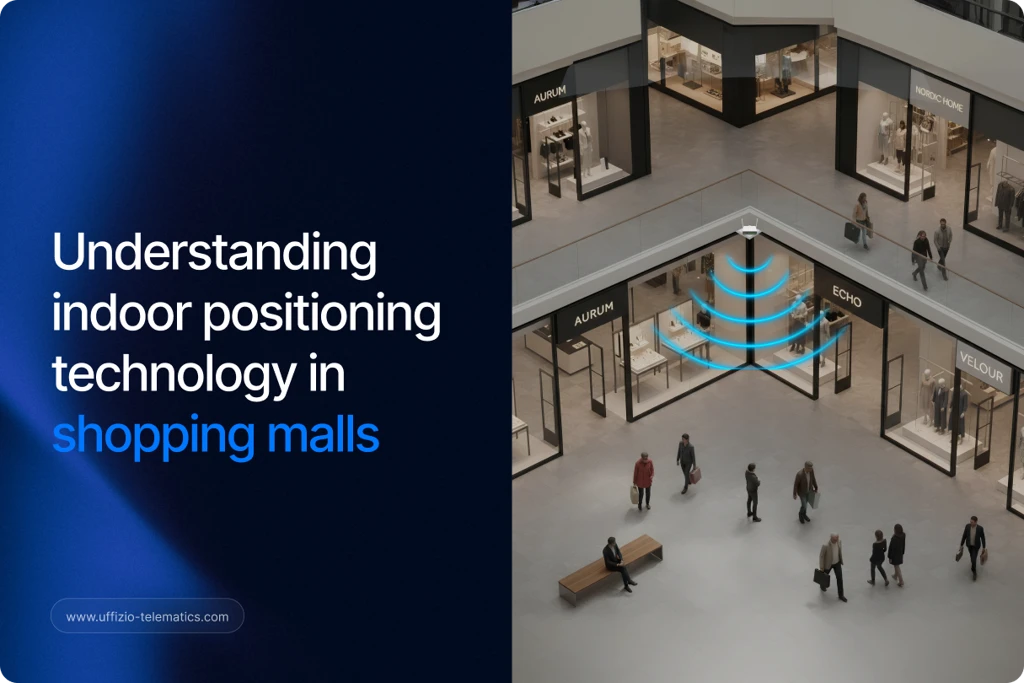
Shopping malls today are complex indoor environments. They span multiple floors, zones, and retail formats. Managing these spaces without clear indoor visibility creates operational blind spots. This is where indoor positioning technologybecomes critical for modern mall operations.
Indoor positioning technology helps malls understand how visitors move inside the building, how different zones perform, and how indoor space is actually used. It converts physical indoor environments into data-driven spaces and enables better business decisions.
What is indoor positioning technology?
Indoor positioning technology identifies the location of people or assets within enclosed spaces. In shopping malls, the focus is not on tracking individuals, but on understanding movement patterns and space utilization.
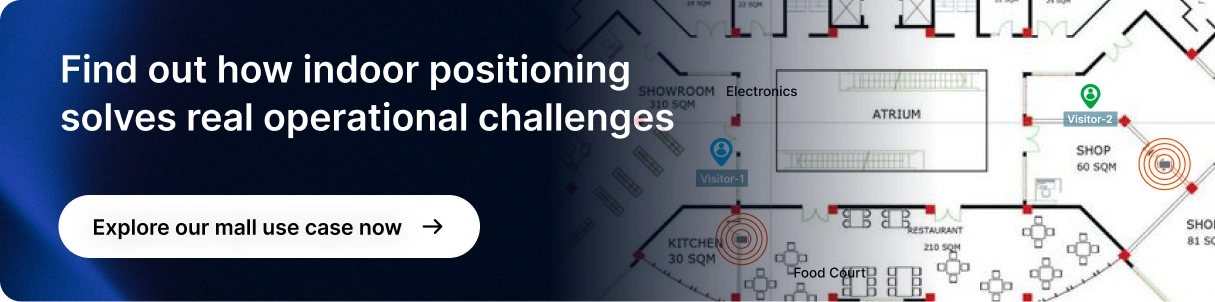
An indoor positioning system maps location data to the mall’s digital layout. This allows operators to visualize activity across floors and zones. Indoor positioning software processes this data and converts it into actionable insights for operations, leasing, and marketing teams.
How indoor positioning technology works in shopping malls
Indoor positioning systems operate using indoor infrastructure combined with intelligent software. Location signals are captured and processed securely in the background.
The system typically follows this flow:
- Indoor signals are detected using Bluetooth, Wi-Fi, or sensors
- Location data is captured in real time or near real time
- Data is mapped to the mall’s digital floor plan
- Insights are generated through dashboards and analytics
This enables continuous visibility without affecting the visitor experience.
Technologies used in indoor positioning systems
Indoor positioning systems rely on a combination of technologies to balance accuracy and coverage.
- Bluetooth Low Energy is commonly used for zone-level positioning and proximity detection near stores.
- Wi-Fi positioning leverages existing access points to track movement across larger areas.
- Sensors add contextual intelligence by detecting entry points, exits, direction of movement, and crowd density.
Together, these technologies form a reliable and scalable indoor positioning system suitable for large shopping malls.
Improving visitor navigation inside shopping malls
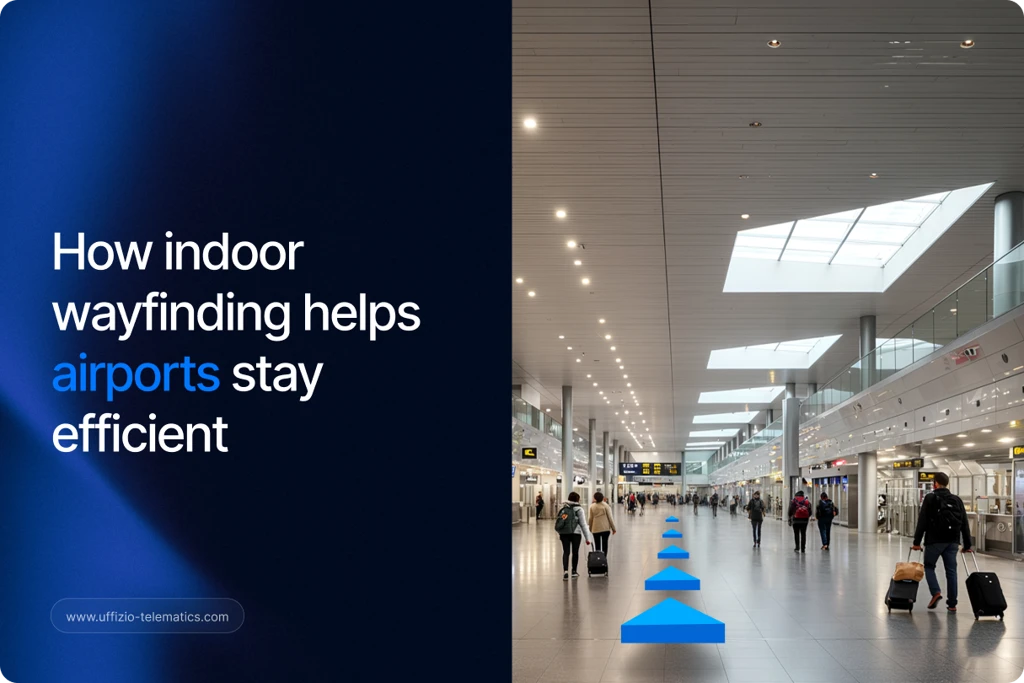
Large shopping malls can be difficult to navigate, especially for first-time visitors. Poor navigation impacts visitor experience and reduces engagement time.
- Indoor positioning technology enables accurate indoor navigation by guiding visitors to stores, facilities, and services based on their real-time location.
- This improves convenience and encourages visitors to explore more areas of the mall.
Footfall and space utilization insights
Understanding how indoor space is used is critical for mall management. Indoor positioning technology provides clear visibility into footfall distribution across different zones and floors.
With this data, mall operators can:
- Identify high-traffic and low-traffic zones
- Understand peak visiting hours
- Optimize layouts and tenant placement
These insights support informed planning and better space utilization.
Retail performance visibility for mall stores
Retailers operating inside malls need more than sales numbers to measure performance. They need visibility into customer behavior before a purchase happens.
Indoor positioning software helps analyze:
- Dwell time near storefronts
- Pass-by versus entry behavior
- Time-based engagement patterns
These insights help retailers optimize staffing, displays, and promotional timing.
Measuring the effectiveness of mall campaigns
Mall promotions and events require significant investment. Measuring their real impact is often challenging.
- Indoor positioning technology enables mall operators to evaluate campaign effectiveness by analyzing visitor movement before, during, and after promotions.
- This helps determine whether campaigns actually increase foot traffic and engagement in targeted zones.
Crowd management and safety operations
High foot traffic can lead to congestion and safety risks, especially during peak hours and special events.
- Indoor positioning systems support proactive crowd management by providing real-time visibility into crowd density and movement patterns.
- This allows mall operators to respond quickly and maintain safe, smooth operations.
Business value of indoor positioning technology
Indoor positioning technology delivers value across multiple business functions.
Key benefits include:
- Improved indoor visibility and space utilization
- Better data-driven leasing and layout decisions
- Stronger collaboration with retail tenants
- Enhanced visitor experience and safety
From a strategic perspective, it positions malls as smart, future-ready environments.
Why shopping malls are adopting indoor positioning technology now
Shopping malls are under pressure from e-commerce growth, changing consumer behavior, and increasing retailer expectations. Experience quality and data transparency have become competitive differentiators.
Indoor positioning technology helps malls respond to these challenges by enabling smarter decisions, better engagement strategies, and improved operational efficiency. This is driving rapid adoption across the industry.
Indoor positioning as the foundation for smart malls
Indoor positioning technology is not a standalone solution. It acts as a foundation for broader smart mall initiatives.
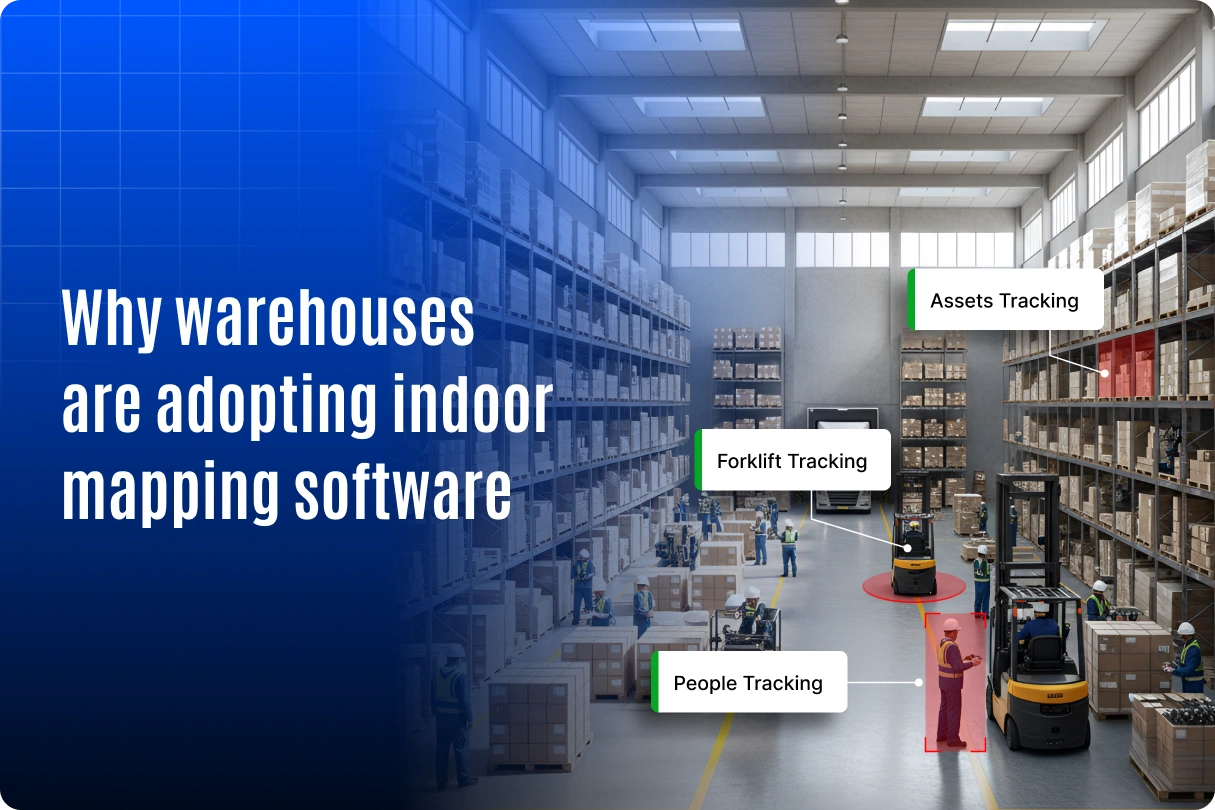
An indoor positioning system supports future use cases such as indoor asset tracking, digital engagement platforms, and energy optimization. It prepares malls for scalable, connected growth.

Summary
Indoor positioning technology is transforming how shopping malls operate and compete. It provides accurate indoor visibility where GPS fails and supports data-driven space management. For modern shopping malls, indoor positioning technology is a strategic investment rather than an optional upgrade. To understand how an indoor positioning system can deliver real-world value, exploring it in action is the next step.